
Mauritius trip cost: prices on the island in 2026
Mauritius has a reputation as an expensive destination, but once flights and accommodation are paid, daily costs can stay reasonable: beaches and hikes are free and street food is cheap. What pushes the bill up are boat trips, hotel restaurants and park entry fees. Here are prices checked in October 2026, with the day's exchange rate and a few tips to spend less.
Exchange rate: what is the rupee worth?
The currency is the Mauritian rupee (Rs or MUR). According to the average indicative rates published by the Bank of Mauritius on 5 October 2026, banks buy euro notes at around Rs 52.1 and sell them at around Rs 53.9; the US dollar trades at around Rs 46.7 when buying.
As a rule of thumb, 1,000 rupees is a little under 20 euros, or about 21 US dollars. Rates move daily; compare exchange bureaus with card withdrawals and check your bank's fees.
Eating: from street food to restaurants
Street food is the island's best deal: a dholl puri starts at around 20 rupees, and a full meal of roti, mine frit or briani costs a few hundred rupees at Port Louis central market or the food trucks of Flic en Flac.
According to Numbeo (August 2026), a meal at an inexpensive restaurant costs around Rs 300, within a range of Rs 150 to 600. Dinner for two at a mid-range restaurant, three courses without drinks, comes to about Rs 1,950 according to early-2026 data. Hotel restaurants and tourist hot spots cost much more.
Getting around: car, fuel and transport
A small rental car costs from about Rs 1,100 to 1,200 a day (around 25 euros) off season, and often Rs 1,800 to 2,800 in December-January and July-August. Petrol has cost Rs 77.70 a litre since 29 September 2026, a nationally fixed price: a 40-litre tank comes to just over Rs 3,000.
Without a car, the Metro Express links Port Louis and Curepipe (adult MECard Rs 200, including Rs 100 credit) and buses cover the whole island cheaply, at the cost of longer journeys.
Entry fees: plenty for free
Beaches, Grand Bassin, the Black River Gorges viewpoint, the UNESCO-listed Aapravasi Ghat, the Trou aux Cerfs crater and the Le Pouce hike are free. Among paid sights, the Pamplemousses Botanical Garden costs Rs 300 for foreign visitors.
Watch out for two-tier pricing: many parks list a resident and a non-resident price. The Chamarel Seven Coloured Earth, waterfall included, costs Rs 800 for a non-resident adult (Rs 400 for residents); La Vanille Nature Park Rs 975 for a non-resident adult. Always check the non-resident line.
Sea activities: the big expense
Boat trips weigh most on the budget. As a guide, a catamaran day to the northern islets goes for around Rs 2,500 to 4,000 per person, a dolphin trip at Tamarin around Rs 1,500 to 3,000, and a glass-bottom boat ride at Blue Bay a few hundred rupees. Compare several operators and check what is included (lunch, gear, transfer).
Snorkelling from the beach, by contrast, only costs a mask.
VAT, tourist fee and tipping
VAT in Mauritius is 15% and is usually included in displayed prices. Since 1 October 2025, tourist accommodation also collects a tourist fee of 3 euros per night per person aged 12 and over; children under 12 are exempt.
Tipping is not compulsory. Some restaurants add a service charge to the bill, so check before tipping. If you enjoyed the service, a few dozen to a hundred rupees are appreciated, in rupees rather than foreign currency.
Tips to spend less
Travel in low season (April-June and September), when car hire is cheapest. Rent a car only for exploring days and spend beach days on foot. Eat at markets and food trucks, shop at supermarkets, and alternate one paid boat trip with days of shore snorkelling and free hikes.
Places in this guide
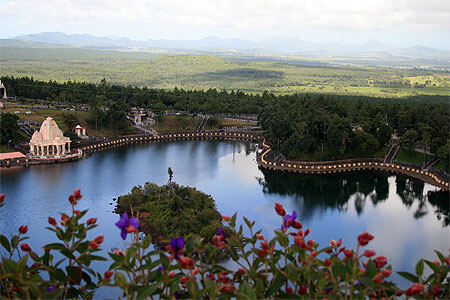
The sacred crater lake of Mauritian Hindus, watched over by a 33-metre Shiva statue, one of the island's two tallest along with the nearby Durga Maa. Colourful temples, playful monkeys and highland mists create a uniquely mystical atmosphere.

The island's most spectacular viewpoint: an amphitheatre of primary forest plunging towards the west coast, with endemic birds and fruit bats soaring below. Unmissable on the Plaine Champagne road.
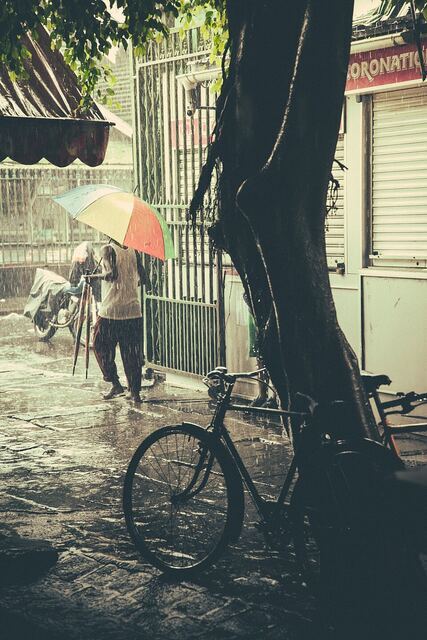
An institution since Victorian times, the central bazaar brims with tropical fruit, herbal teas, souvenirs and street food. This is where you feel the capital's pulse, between dholl puri stalls and hawkers.
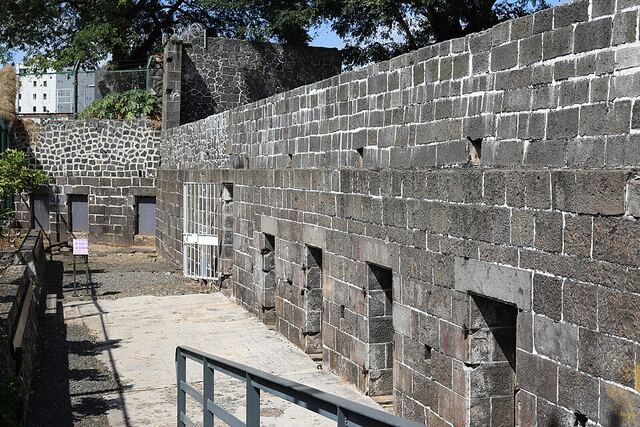
A UNESCO World Heritage site, this immigration depot processed half a million Indian indentured labourers between 1849 and 1923. A founding memorial of Mauritian identity.

The west coast's longest beach: 8 km of white sand lined with casuarinas along a reef-protected turquoise lagoon. Grand sunsets, easy snorkeling and a local weekend vibe.

A protected marine park in fifty shades of blue, rated the island's best snorkeling spot for its corals and multicoloured fish. The public beach, lined with casuarinas, gets lively at weekends.

A dormant volcano crater 300 m across in the middle of Curepipe, ringed by a shady promenade. On a clear day the panorama spans the central plateau and the western mountains.

The southern hemisphere's oldest botanical garden (1770), world-famous for its giant Victoria amazonica water lilies and talipot palms. Shady avenues, spices, baobabs and giant tortoises.

A unique geological phenomenon: volcanic clay dunes in seven ochre, red and violet hues that never mix. The geopark also hosts giant tortoises and the Chamarel waterfall lookout.

A reserve in a lush tropical valley, known for its hundreds of approachable Aldabra giant tortoises, Nile crocodiles and one of the world's richest insectariums. Ideal for families.

From the Grand Baie jetty, sail past Coin de Mire and its tropicbirds, then anchor between Flat and Gabriel Islands: crystal-water snorkeling and BBQ on board.

Every morning, pods of spinner and bottlenose dolphins come to rest in Tamarin and Black River bays. The dawn boat trip, sometimes with a swim, is the west coast's signature experience.

A coconut islet about 2 km by 500 m in the lagoon, 500 m off La Gaulette. Photo stop (no landing) at Crystal Rock, a coral boulder rising from turquoise water, and snorkeling in a natural aquarium.

The island's third peak (812 m), shaped like a raised thumb and once climbed by Charles Darwin. An accessible hike (2h30-4h return from La Laura) ending in a short rocky scramble and an unforgettable panorama.
Frequently asked questions
How much money do I need per day in Mauritius?
Excluding flights and accommodation, a traveller eating local and renting a small car can manage on a few thousand rupees a day; boat trips and hotel restaurants quickly add up.
How many rupees is 1 euro or 1 dollar?
On 5 October 2026, Mauritian banks bought euro notes at around Rs 52 and US dollars at around Rs 46.7, according to the Bank of Mauritius.
How much is a meal in Mauritius?
A few dozen rupees for a street dholl puri, about Rs 300 at an inexpensive restaurant, and around Rs 1,950 for two at a mid-range restaurant.
Is there a tourist tax in Mauritius?
Yes, 3 euros per night per person aged 12 and over, collected by the accommodation since 1 October 2025.
Do you tip in Mauritius?
It is not compulsory. Check whether a service charge is already on the bill; if not, a small tip in rupees is appreciated.