
Free things to do in Mauritius: 20 places with no entry fee
You can spend a whole week in Mauritius without buying a single entry ticket. Every beach is public, the national park is free to enter, and several of the island's most striking places (Grand Bassin, Gris Gris, Trou aux Cerfs, Aapravasi Ghat) cost nothing. Here are the best free outings, sorted by type, with the few traps to know about: fake guides, parking and opening hours.
Beaches: all public
Beach access is free in Mauritius. The Beach Authority manages 144 public beaches on Mauritius island, with parking and facilities. Among the best: Mont Choisy and Trou aux Biches in the north, Flic en Flac and Le Morne beach in the west, Blue Bay in the south-east and Belle Mare in the east.
In front of hotels, discreet paths signed "Public Beach Access" often lead to the sand, as at Pointe d'Esny. The only likely spend is a sunlounger, often charged at busy spots.
Free hikes and viewpoints
Black River Gorges National Park is free: start from Pétrin on the plateau or from the visitor centre on the Grande Rivière Noire side. The Black River Gorges viewpoint and Alexandra Falls, five minutes apart, are also free, as is Plaine Champagne.
Le Pouce, above Port Louis, can be climbed without a guide in half a day if you start early. Maconde viewpoint on the southern coast road and the Gris Gris cliffs, where swimming is forbidden, are among the island's most dramatic panoramas. In Curepipe, the walk around the Trou aux Cerfs crater takes fifteen minutes.
Waterfalls with no ticket
Rochester Falls near Souillac is free: ignore the pushy "guides" at the start of the track. In the hills of Grand Port, the Osterlog Endemic Garden is free (9am-3.30pm), with the Tortue waterfall and free-roaming giant tortoises.
Tamarind Falls (Seven Cascades) is free too, but slippery, poorly marked trails make a paid local guide worthwhile. Chamarel Waterfall is included in the Seven Coloured Earths ticket (Rs 400).
Free Port Louis: history and markets
Aapravasi Ghat, a UNESCO World Heritage Site since 2006, is free, with a free guided tour (closed on Sundays). Five minutes' walk away, the Intercontinental Slavery Museum is free as well: Monday to Friday 9.30am-5pm, Saturday 9.30am-2pm.
Then wander through the Central Market (closed on Sunday afternoons), Chinatown, the Company Garden and the Caudan Waterfront. For the view, drive up to Fort Adelaide (the Citadel) in the late afternoon.
Sacred sites, villages and markets
Grand Bassin (Ganga Talao), the lake sacred to Mauritian Hindus, is free to visit: cover your shoulders in the temples. The Maheswarnath temple in Triolet and the church at Cap Malheureux are free too.
Markets are the island's best free show: Mahébourg on Mondays, Flacq on Wednesday and Sunday mornings, Goodlands on Tuesdays and Fridays, Quatre Bornes on Thursdays and Sundays. Vieux Grand Port and the Tamarin salt pans round off a no-spend day.
Where you will still pay
Some must-sees charge entry: the Seven Coloured Earths and Chamarel Waterfall (Rs 400), the Pamplemousses Botanical Garden (Rs 300) and Île aux Aigrettes (Rs 1,000, guided tour required). Île aux Cerfs has no entry fee, but you pay for the boat crossing.
At sea, French consular advice warns that strong currents regularly cause drownings: on unsupervised public beaches, always respect no-swimming signs.
Places in this guide

Mauritius's largest national park: 6,574 hectares of primary forest, 60 km of marked trails and the last refuges of the pink pigeon and kestrel. The 10 km Macchabée trail from Pétrin to the visitor centre is a classic.

The island's most spectacular viewpoint: an amphitheatre of primary forest plunging towards the west coast, with endemic birds and fruit bats soaring below. Unmissable on the Plaine Champagne road.
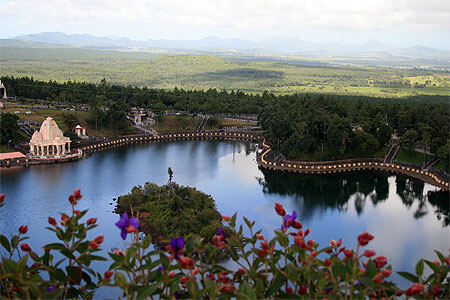
The sacred crater lake of Mauritian Hindus, watched over by a 33-metre Shiva statue, one of the island's two tallest along with the nearby Durga Maa. Colourful temples, playful monkeys and highland mists create a uniquely mystical atmosphere.

Spectacular cliffs where the ocean pounds the coast with no lagoon to shield it. The wild beach below and the clifftop lawn offer one of the island's most dramatic panoramas.

A dormant volcano crater 300 m across in the middle of Curepipe, ringed by a shady promenade. On a clear day the panorama spans the central plateau and the western mountains.

The island's third peak (812 m), shaped like a raised thumb and once climbed by Charles Darwin. An accessible hike (2h30-4h return from La Laura) ending in a short rocky scramble and an unforgettable panorama.

A legendary hairpin bend cut into the basalt, where a small lookout overhangs waves crashing on the rocks. Splendid view over the bay and the coastal road below.
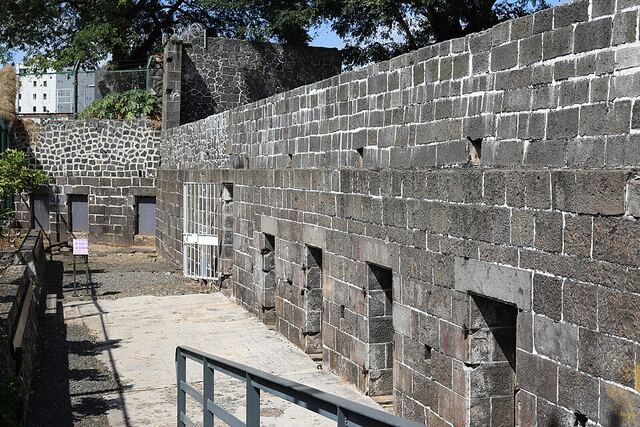
A UNESCO World Heritage site, this immigration depot processed half a million Indian indentured labourers between 1849 and 1923. A founding memorial of Mauritian identity.
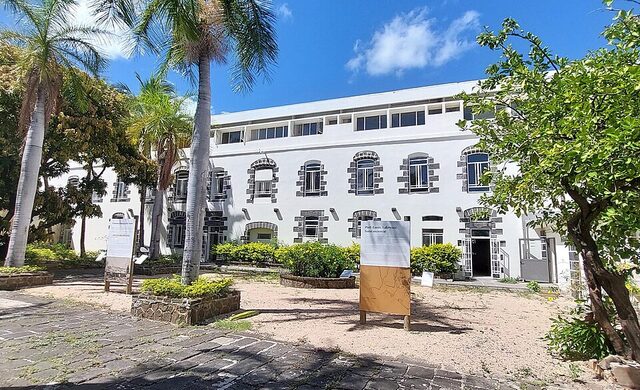
Opened in 2023 in the former military hospital of 1740 (the island's oldest building), this museum traces the history of slavery in Mauritius: enslaved people's personal effects, archives and the moving Froberville busts (1846).
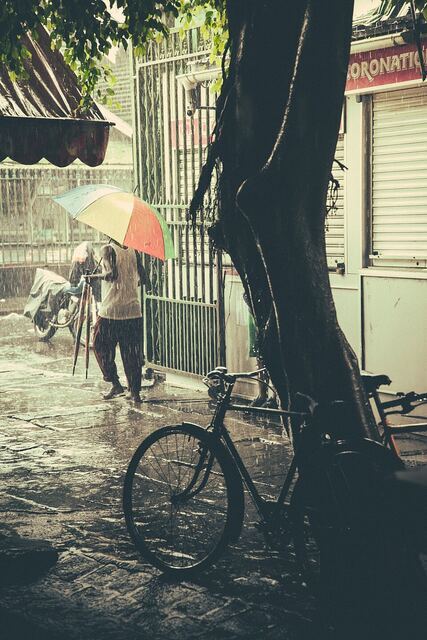
An institution since Victorian times, the central bazaar brims with tropical fruit, herbal teas, souvenirs and street food. This is where you feel the capital's pulse, between dholl puri stalls and hawkers.
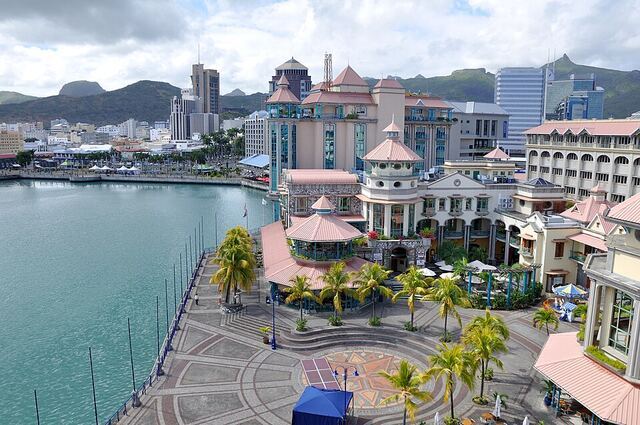
Port Louis's iconic waterfront with its hanging umbrellas, shops, craft market and harbourside restaurants. The ideal starting point for exploring the capital on foot.

A black-basalt British fortress completed in 1840, perched on a hill above Port Louis. Climb up for the 360° view of the city, harbour, Champ de Mars and the Moka range.
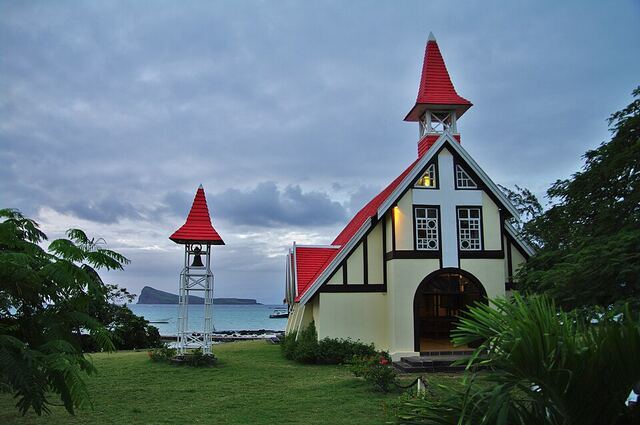
The famous red-roofed chapel facing the lagoon, with Coin de Mire as a backdrop: one of the most photographed views in Mauritius. The village marks the island's northernmost point.

A huge crescent of white sand running from Trou aux Biches to Pointe aux Canonniers, backed by a casuarina grove. Calm water and spectacular sunsets: an absolute northern classic.

A protected marine park in fifty shades of blue, rated the island's best snorkeling spot for its corals and multicoloured fish. The public beach, lined with casuarinas, gets lively at weekends.

At the foot of Le Morne mountain, a lagoon in fifty shades of blue edged with immaculate sand and casuarinas. To the south, the 'One Eye' kitesurf spot ranks among the world's best.

A one-of-a-kind waterfall: the water drops over rectangular basalt columns carved by erosion, in the middle of the cane fields. The bravest dive from the rocks.

From a walkway at 700 m, the view takes in the waterfall tumbling down the wooded cliff and the whole southern plain to the ocean. A short but memorable national-park stop.

A botanical garden devoted to Mauritius's endemic plants, tucked in a green valley in the Grand Port uplands. A short loop leads to the Tortue waterfall, where you can shower under the trickle, and to a pen where giant tortoises graze in real greenery — not on a concrete slab as in the paying parks.

A history-laden former port capital, facing the bay of the 1810 Battle of Grand Port. Its national history museum, waterfront and Monday market make it the south-east's most endearing town.
Frequently asked questions
Are beaches free in Mauritius?
Yes. Beach access is free and the Beach Authority manages 144 public beaches on Mauritius island. Only sunloungers or some private car parks may cost money.
Is Black River Gorges National Park free?
Yes, entry is free whether you start at Pétrin or at the visitor centre on the Grande Rivière Noire side. The gorges viewpoint and Alexandra Falls are free too.
Which museums are free in Port Louis?
The Intercontinental Slavery Museum and Aapravasi Ghat, a UNESCO site, are free. The Blue Penny Museum charges entry.
Is Grand Bassin free?
Yes, the sacred lake of Grand Bassin and its temples are free to visit. Cover your shoulders and remove your shoes in the temples.
Do you have to pay for Rochester Falls?
No, access is free. Ignore people presenting themselves as guides at the start of the track.