
The best snorkelling spots in Mauritius
Almost the whole island is ringed by a coral reef that creates a calm lagoon, which makes Mauritius an easy snorkelling destination. The finest reefs lie in its two marine parks, Blue Bay in the south-east and Balaclava in the north-west, and around the northern islets. Here are the spots you can reach from the beach or by boat, the best season, the rules to follow and the precautions to take.
Blue Bay: the most famous marine park
Declared a national park in October 1997 and a marine park in June 2000, Blue Bay covers 353 hectares between Pointe Corps de Garde and Pointe Vacoas in the south-east. Since 2008 it has been listed as a wetland of international importance under the Ramsar Convention. The park is managed through zoning, permits and patrols.
You can swim from Blue Bay public beach, but the richest coral garden is reached by glass-bottom boat, with a stop to get in the water. Come early on a weekday: at weekends the beach is crowded. Pointe d'Esny, just north, shares the same lagoon.
Balaclava and the north-west coast from the shore
Balaclava Marine Park covers 485 hectares of reef, lagoon and shoreline, from Petite Pointe aux Piments to Batterie des Mortiers in the Pamplemousses district. At Pointe aux Piments, sea turtles come into the lagoon: bring fins, mask and snorkel early in the morning, when the sea is glassy.
A little further north, Trou aux Biches has a shallow lagoon ideal for beginners, Pointe aux Canonniers hides small coves, and at Pereybère the rocks on either side of the bay hold plenty of fish. Arrive before 10am for calm water and a parking space.
Northern and western islets by boat
Catamarans from Grand Baie sail past Coin de Mire and anchor between Flat Island and Gabriel Island, where the water is exceptionally clear. Plan a full day with lunch on board. On the west coast, boats from La Gaulette head to Ile aux Bénitiers with a snorkelling stop near Crystal Rock.
In the east, cruises to Ile aux Cerfs from Trou d'Eau Douce usually include a swim in the lagoon. The UK government advises checking that the operator holds a permit from the Ministry of Tourism and that there are enough life jackets on board.
Not a swimmer?
The undersea walk at Belle Mare, with an air-fed helmet, is open from age 7. The Blue Safari submarine in the north and the glass-bottom boats at Blue Bay let you see the coral without getting wet. To go further, dive centres at Trou aux Biches offer try dives and scuba trips, ideally in the morning.
Season, water temperature and visibility
Snorkelling works all year. According to our data, the sea is above 28 °C from January to April and drops to around 24 to 25 °C from August to October, when a thin wetsuit or rash vest makes long sessions more comfortable.
From June to September, the trade winds blow hard on the east coast, stirring up the lagoon at Belle Mare or Ile aux Cerfs; the north-west and west coasts stay more sheltered. All year round, mornings are calmest. After heavy rain, water often turns murky near river mouths.
The rules
In Mauritius, removing coral and seashells is prohibited under 2006 regulations, and marine protected areas have their own rules: in the marine parks many activities need a permit, issued for Blue Bay at the park centre.
In practice: never stand or walk on coral, do not touch or feed marine life, do not chase turtles and keep your distance. Choose a UV shirt over a thick layer of sunscreen, which ends up on the coral.
Safety: currents, reef passes and boats
Stay inside the lagoon. Reef passes, the gaps in the reef, channel strong currents out to sea, and where the reef breaks off, as at Gris Gris, swimming is dangerous. Snorkel in pairs with something visible, and keep clear of boat channels, which are busy at Blue Bay and Grand Baie.
Water shoes prevent cuts and sea urchin spines on rocky patches. Drink water and cover your neck: you do not feel the sun with your face in the water.
Places in this guide
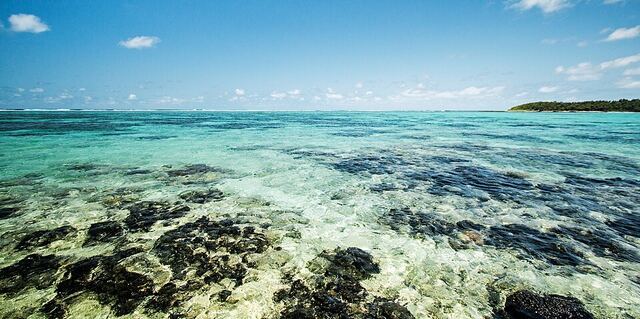
A protected marine park in fifty shades of blue, rated the island's best snorkeling spot for its corals and multicoloured fish. The public beach, lined with casuarinas, gets lively at weekends.
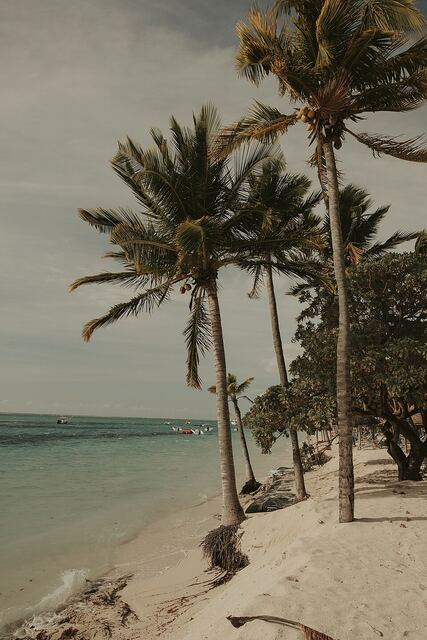
A quiet coastal village famous for its lagoon where sea turtles come to graze. One of the best shore-accessible snorkeling spots in Mauritius.
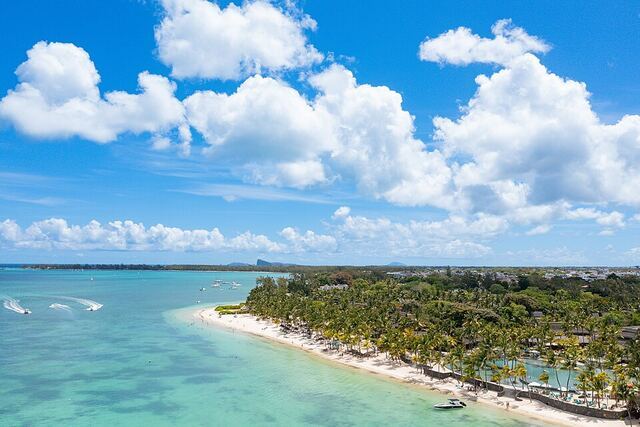
A long stretch of fine sand shaded by casuarinas, regularly ranked among the Indian Ocean's finest beaches. Its shallow turquoise lagoon is ideal for swimming and snorkeling.
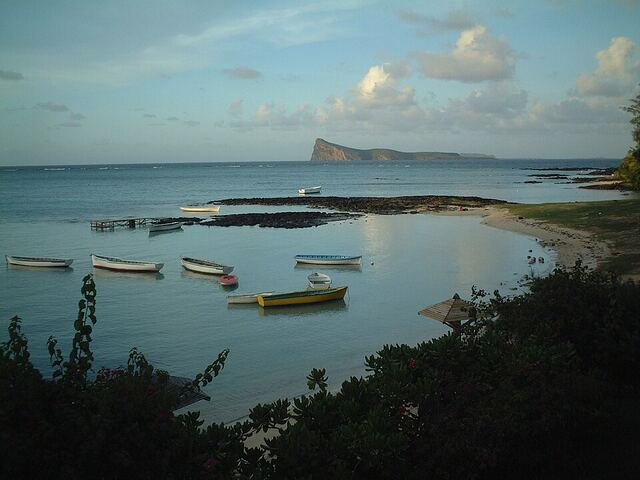
From the Grand Baie jetty, sail past Coin de Mire and its tropicbirds, then anchor between Flat and Gabriel Islands: crystal-water snorkeling and BBQ on board.
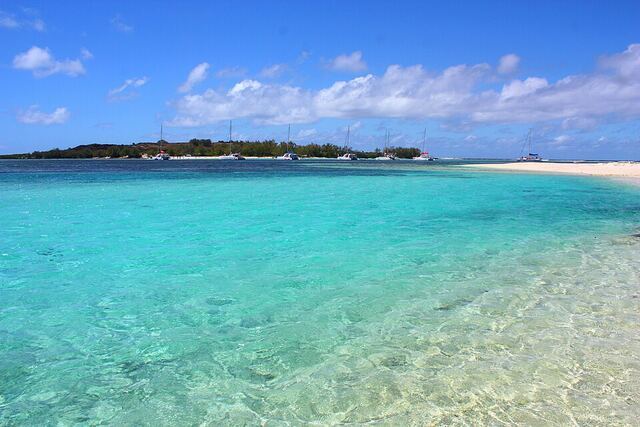
A little paradise of white sand and translucent water next to Flat Island, goal of the north's finest catamaran trip. Swimming, lagoon snorkeling and BBQ on board: the ultimate castaway day.
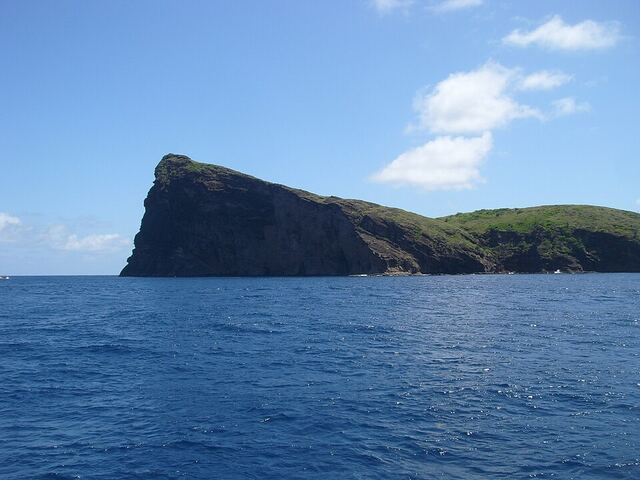
A spectacular wedge-shaped islet 4 km off Cap Malheureux, a no-landing nature reserve. Tropicbird cliffs and some of the north's finest dive waters.
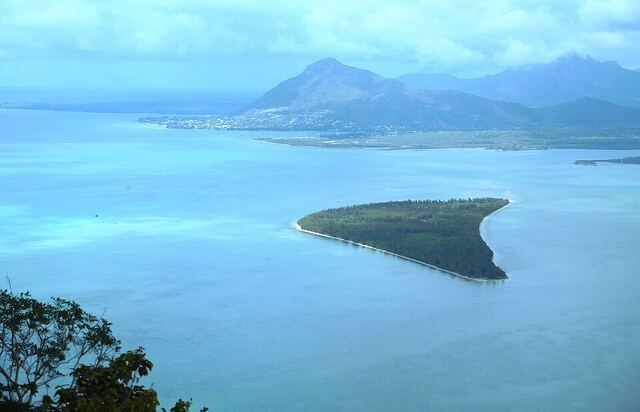
A coconut islet about 2 km by 500 m in the lagoon, 500 m off La Gaulette. Photo stop (no landing) at Crystal Rock, a coral boulder rising from turquoise water, and snorkeling in a natural aquarium.
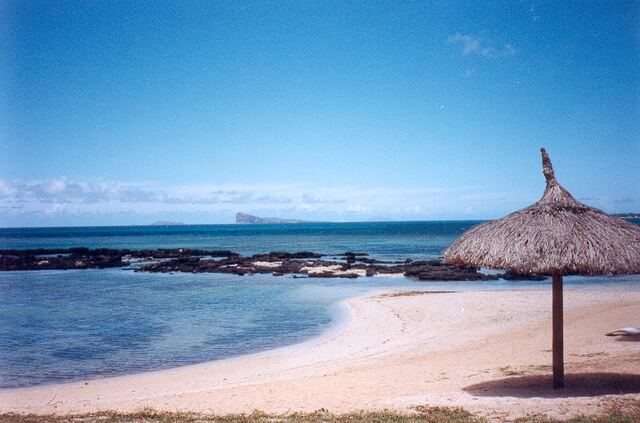
A chic peninsula between Mont Choisy and Grand Baie, a former French battery with a few remaining cannons and an old lighthouse. Secret little coves and fine snorkeling spots.
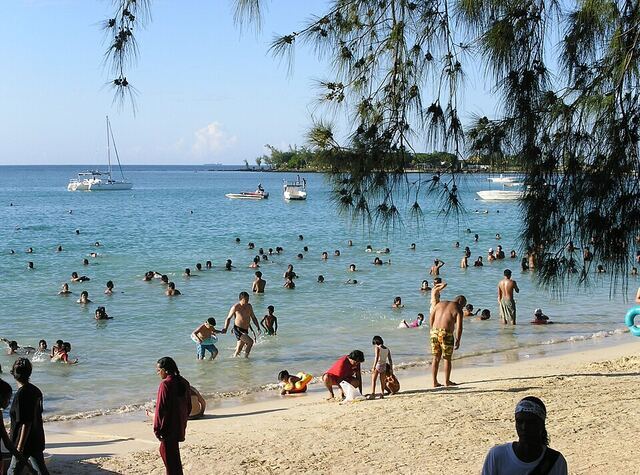
Rated one of Mauritius's best swimming beaches: a compact cove of brilliant sand and deep, intensely blue water. Ice-cream sellers, snacks and casuarinas complete the postcard.
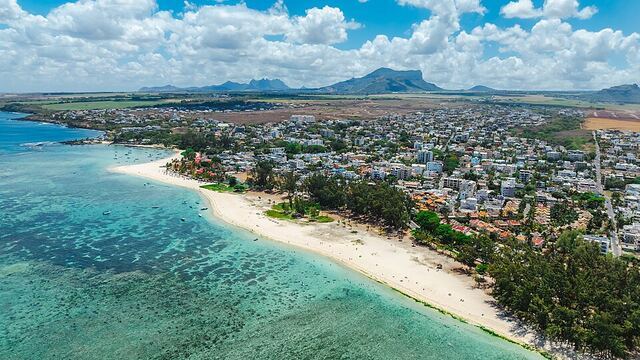
The west coast's longest beach: 8 km of white sand lined with casuarinas along a reef-protected turquoise lagoon. Grand sunsets, easy snorkeling and a local weekend vibe.
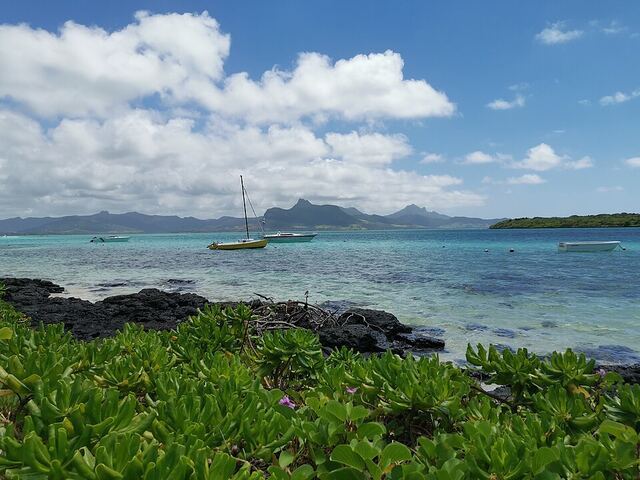
Between Mahebourg and Blue Bay, an unreally clear lagoon lined with charming villas. One of Mauritius's most beautiful shores, facing Ile aux Aigrettes.
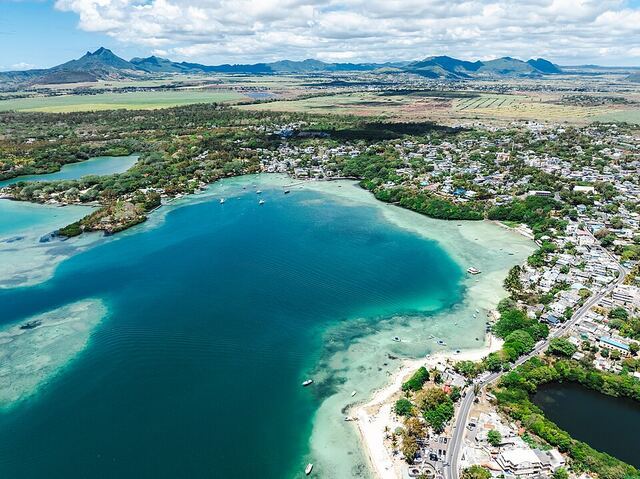
A catamaran day from Trou d'Eau Douce: the Grande Rivière Sud-Est waterfall, lagoon snorkeling, BBQ on board, then free time on the Ile aux Cerfs beach.
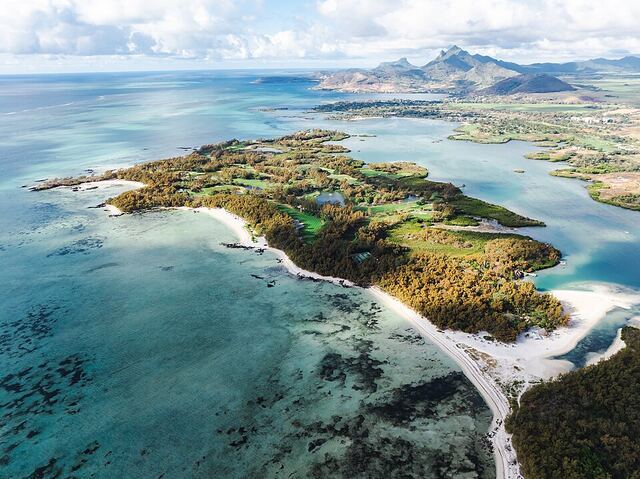
The east coast's iconic lagoon island: white sandbanks, translucent water and coconut palms make it the dream setting for catamaran trips. 18-hole golf course and every water sport.
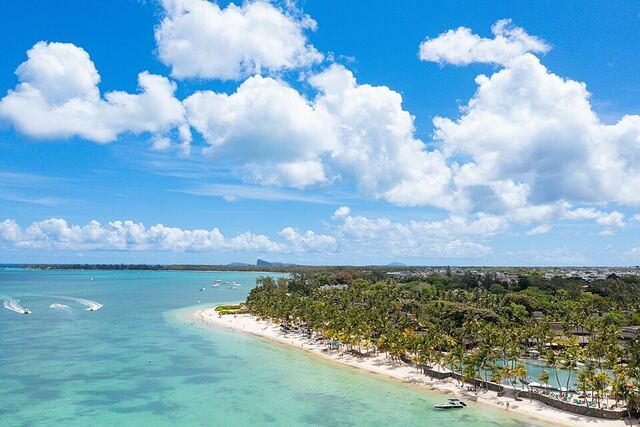
Over 20 sites within a 20-minute boat ride: wrecks, drop-offs and coral gardens between 12 and 30 m. Many PADI centres, calm conditions year-round and 25-30 m visibility.
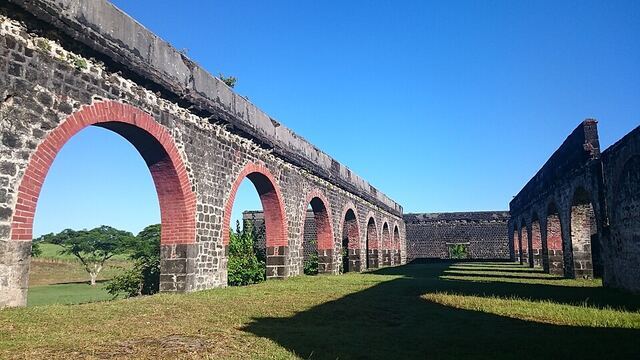
A 20-minute walk on the lagoon floor at 3-4 m depth wearing an air-fed diving helmet: dry hair, glasses allowed, fish fed by hand. No swimming skills needed.
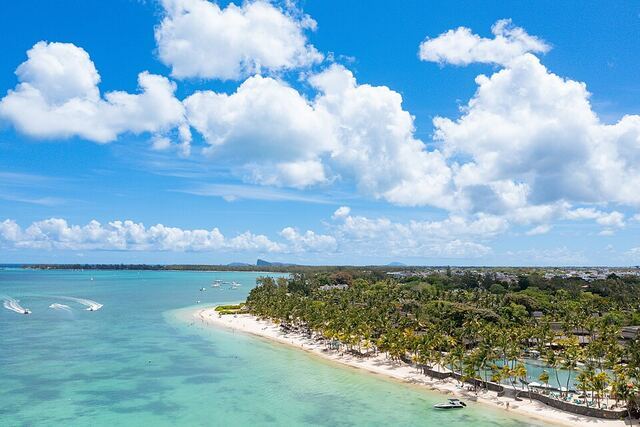
Mauritius's only leisure submarine: a comfortable dive to 35 m from Trou aux Biches, among corals, turtles and a wreck. For everyone, and you stay dry.
Frequently asked questions
Where is the best snorkeling in Mauritius?
Blue Bay Marine Park in the south-east, Pointe aux Piments and Trou aux Biches in the north-west, and the northern islets (Flat Island, Gabriel Island) by catamaran are the safest bets.
Can you snorkel with turtles in Mauritius?
Yes, notably at Pointe aux Piments, in the Balaclava Marine Park area, especially early in the morning when the sea is calm.
When is the best time to snorkel in Mauritius?
All year. The water is warmest from January to April; from June to September, favour the north-west and west coasts, sheltered from the trade winds.
Is snorkeling at Blue Bay free?
The public beach is free and you can swim from the shore. Glass-bottom boat trips to the coral garden are paid and negotiated on the spot.
Can you take shells home from Mauritius?
No. Removing coral and seashells is prohibited under Mauritian regulations.