
Where to stay in Mauritius: which region to choose by season and style
Mauritius is small, but driving is slow, so your base shapes the whole trip. The north is lively and convenient, the west sheltered and sunny, the east has the longest beaches and the south wild nature. Season matters too, because wind and rain do not hit every coast in the same way. Here is a comparison based on our climate normals and driving-time estimates.
The north: lively, convenient, ideal for a first trip
Grand Baie has the most restaurants, bars and shops, with busy evenings around La Croisette. Nearby, Trou aux Biches, Mont Choisy and Pereybère have shallow, calm lagoons that suit children. Catamarans to Gabriel Island and Flat Island leave from Grand Baie.
The downside: the south and the plateau are far. Allow around 2 hours from Grand Baie to Chamarel or Le Morne, against about 30 minutes to the Pamplemousses Botanical Garden and roughly 45 minutes to Port Louis, traffic permitting.
The west: the sheltered, driest coast
Flic en Flac, Tamarin and Le Morne are on the leeward side: in the southern winter (June to September), when the trade winds blow from the east, this is the driest coast. Our normals show about 15 mm of rain in July in the west against 60 mm in the east. It is also the coast of sunsets, dolphin trips and kitesurfing at Le Morne.
It is ideal for exploring the south-west: Chamarel is about 45 minutes from Flic en Flac and 20 minutes from Le Morne. Northern islets and Ile aux Cerfs, however, mean a long day on the road.
The east: long beaches and a turquoise lagoon
Belle Mare and Palmar line up long white-sand beaches, and Trou d'Eau Douce is where boats leave for Ile aux Cerfs. This is the coast of sunrises and a quieter mood, with many beachfront hotels.
It is also the coast most exposed to the trade winds: from June to September the wind is strong and it rains more. Lovely in the southern summer, it still works in winter if you like a breeze. The airport is about an hour from Belle Mare, Le Morne over two.
The south: wild nature, close to the airport
Around Blue Bay and Mahebourg you stay minutes from the airport and the Blue Bay marine park, one of the best snorkelling spots. It is a good base for the first or last night, or for a more local stay around Mahebourg market.
Further west, Bel Ombre combines a beach, a nature reserve and quick access to Chamarel (about 20 minutes). The coast in between, with Gris Gris and Souillac, is spectacular but not made for swimming.
The central plateau: cool and urban
Curepipe, Floréal or Quatre Bornes sit in the middle of the island, equally far from everything, with the Metro Express to Port Louis. But the plateau is much cooler and wetter: in July our normals show a 21 °C maximum against 25 °C on the coast. Few people stay here for a beach holiday.
Which region suits you?
Families: the north (Trou aux Biches, Mont Choisy) or Flic en Flac, for calm lagoons and amenities. Couples: Le Morne, Bel Ombre or Belle Mare, more secluded. Tight budget: Grand Baie and Flic en Flac, which have the most simple restaurants and supermarkets. Kitesurfing: Le Morne. Nightlife: Grand Baie, by far.
Wherever you stay, tourist accommodation has charged a tourist fee of 3 euros per night per person aged 12 and over since 1 October 2025.
Driving times: split your stay between two bases
Our estimates, without traffic: from Flic en Flac, Port Louis is about 50 minutes and Blue Bay 1h30; from Belle Mare, Le Morne is over 2 hours; from Blue Bay, the airport is 10 minutes and Chamarel 1h20. For 10 days or more, two complementary bases avoid long driving days: for example north then west, or east then south-west.
Places in this guide
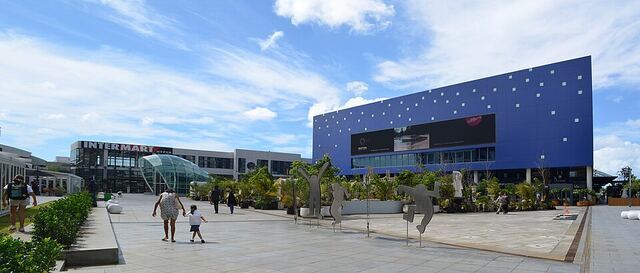
The island's liveliest seaside town: restaurants, shops and bars around a turquoise bay from which most northern-island excursions depart. The ideal base for the whole north coast.
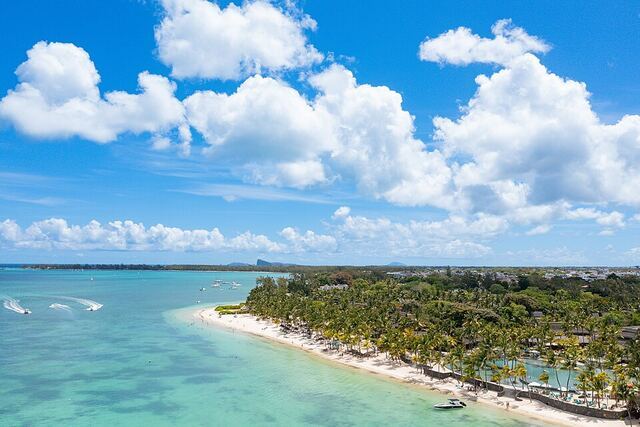
A long stretch of fine sand shaded by casuarinas, regularly ranked among the Indian Ocean's finest beaches. Its shallow turquoise lagoon is ideal for swimming and snorkeling.
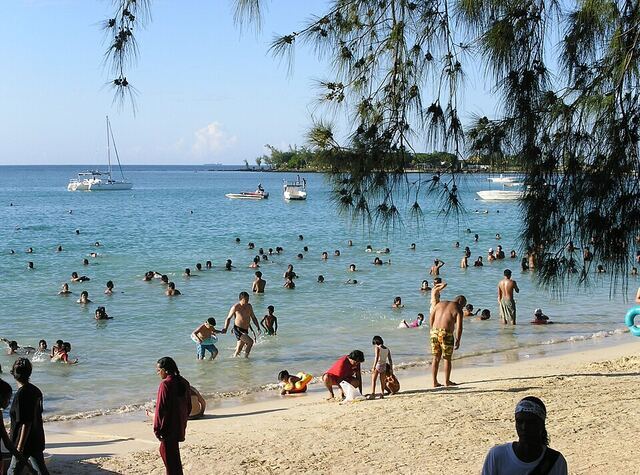
Rated one of Mauritius's best swimming beaches: a compact cove of brilliant sand and deep, intensely blue water. Ice-cream sellers, snacks and casuarinas complete the postcard.
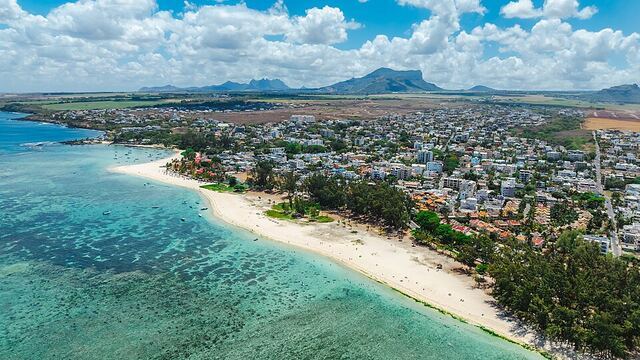
The west coast's longest beach: 8 km of white sand lined with casuarinas along a reef-protected turquoise lagoon. Grand sunsets, easy snorkeling and a local weekend vibe.
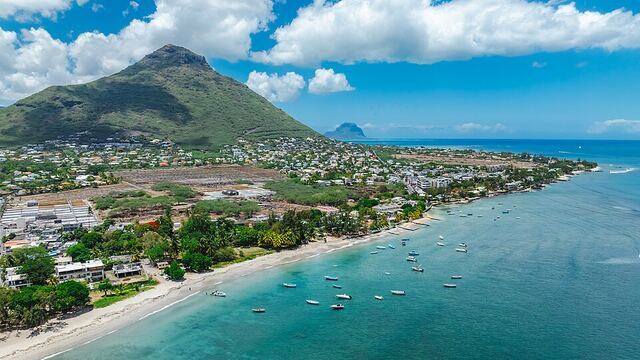
The legendary bay where the Tamarin river meets the ocean, cradle of Mauritian surfing since the 70s. Volcanic-sand beach, beginner-friendly waves and a superb view of Rempart mountain.
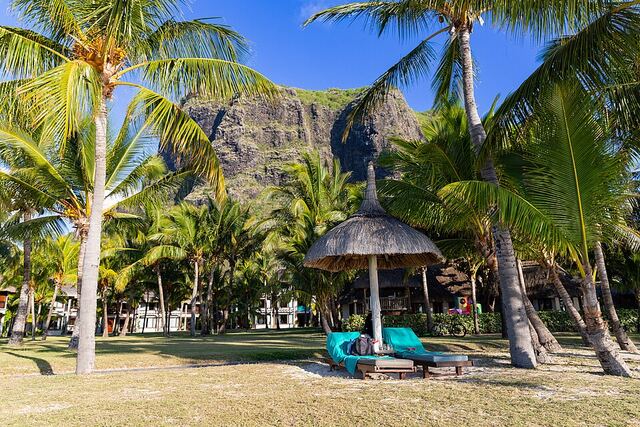
At the foot of Le Morne mountain, a lagoon in fifty shades of blue edged with immaculate sand and casuarinas. To the south, the 'One Eye' kitesurf spot ranks among the world's best.
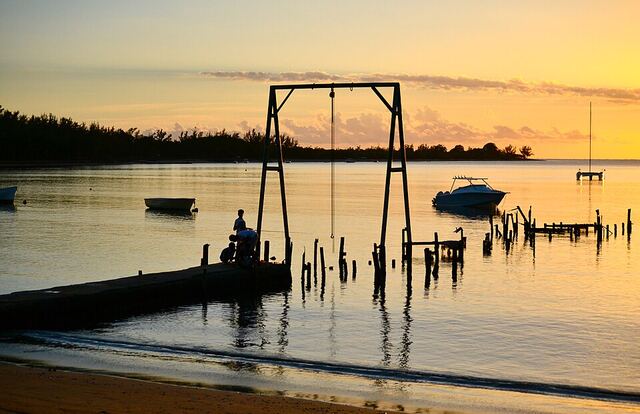
A vast powdery white-sand beach running for kilometres along a crystal lagoon. The east coast's postcard, famed for its blazing sunrises.
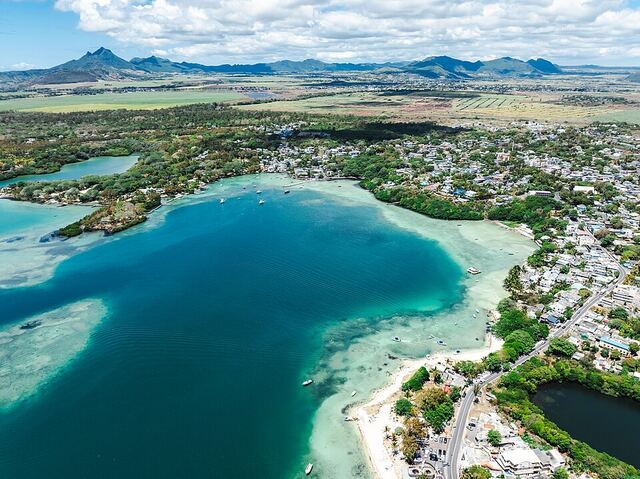
A picturesque fishing village turned gateway to Ile aux Cerfs without losing its Creole soul. Waterside church, colourful boats and grilled-fish eateries.
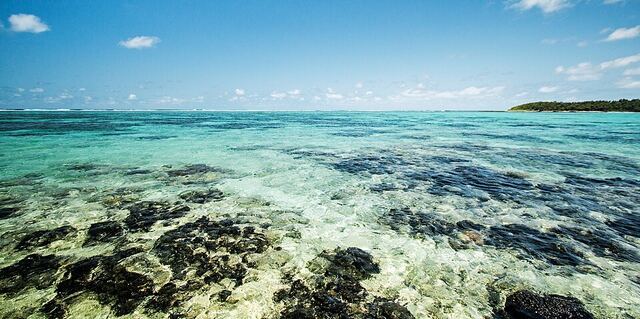
A protected marine park in fifty shades of blue, rated the island's best snorkeling spot for its corals and multicoloured fish. The public beach, lined with casuarinas, gets lively at weekends.
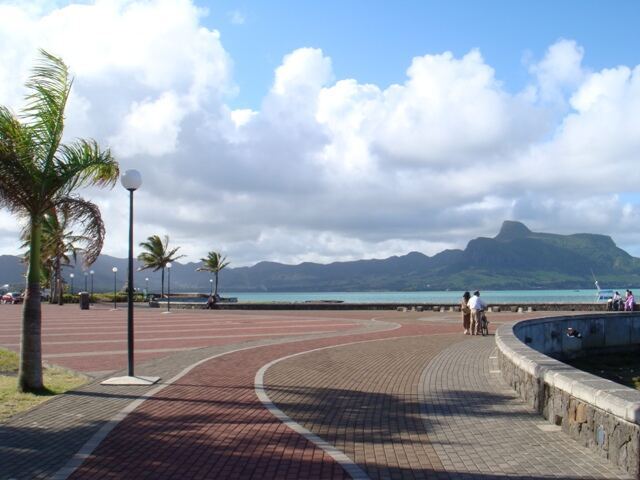
A history-laden former port capital, facing the bay of the 1810 Battle of Grand Port. Its national history museum, waterfront and Monday market make it the south-east's most endearing town.
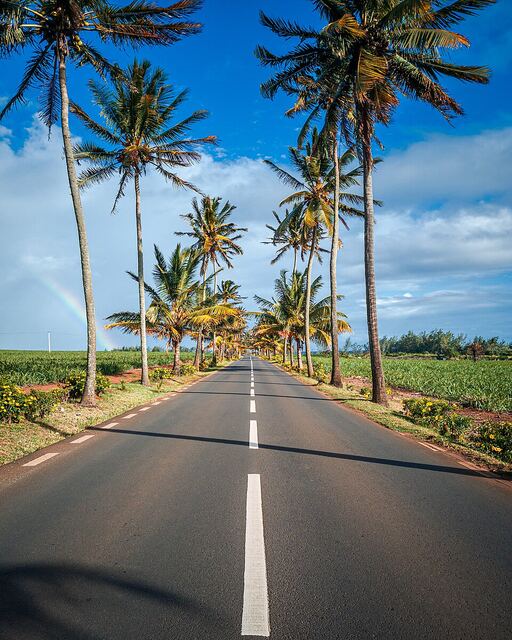
A former sugar estate turned chic but unspoiled hotel coast, between calm lagoon and mountains. The public beach is superb and the Château de Bel Ombre recalls the colonial past.
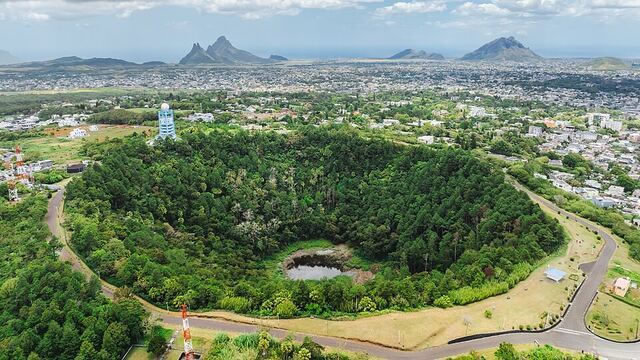
A dormant volcano crater 300 m across in the middle of Curepipe, ringed by a shady promenade. On a clear day the panorama spans the central plateau and the western mountains.
Frequently asked questions
What is the best area to stay in Mauritius?
There is no single answer: the north for nightlife, the west for sunshine and the south-west, the east for long beaches, the south for nature and airport access.
Where to stay in Mauritius in July or August?
On the west or north-west coast, sheltered from the easterly trade winds. This is when the east is windiest and wettest.
Where to stay in Mauritius with kids?
The north, around Trou aux Biches and Mont Choisy, or Flic en Flac in the west, for shallow lagoons and nearby services.
Should I split my stay in Mauritius?
For 10 days or more, two bases (for example north then west) cut driving time a lot. For one week, one well-chosen base is enough.
Is there a tourist tax in Mauritius?
Yes, 3 euros per night per person aged 12 and over since 1 October 2025, collected by the accommodation.