
What to do in Mauritius on a rainy day
A rainy day in Mauritius is rarely a lost day. First, it seldom rains everywhere at once: the west coast gets less than half the rain that falls on the central plateau. Second, the island has plenty of indoor options: an oceanarium, Port Louis museums, sugar estates, a rum distillery and a tea factory. Here is how to read Mauritian weather and where to go depending on where you are staying.
First move: switch coasts
The trade winds blow from the south-east and hit the mountains, so the east, the south and the central plateau catch most of the rain while the west stays sheltered. The 1971-2000 normals of the Mauritius Meteorological Services make it clear: about 780 mm a year and 64 rainy days (over 1 mm) at Médine on the west coast, against nearly 2,000 mm and 179 days at Vacoas on the plateau, and about 1,960 mm and 173 days at Fuel in the east. The north (Pamplemousses) sits in between with about 1,350 mm and 148 days.
In the southern winter the gap is huge: in July, Médine averages 3 rainy days and Vacoas 17. If the sky is grey at Belle Mare or Curepipe, an hour's drive to Flic en Flac, Tamarin or Le Morne is often enough to find the sun again.
When does it rain most?
According to the Mauritius Meteorological Services, summer (November to April) brings about two thirds of the year's rain. February and March are the wettest months, October the driest. The island averages 6.5 to over 8 hours of sunshine a day, less in the uplands than on the coast.
November to April is also cyclone season. In case of a warning, follow the Meteorological Services website or the information lines 8996 from a landline and 171 from a mobile, as listed in French consular advice. The authorities can order a lockdown lasting two to three days.
Port Louis: a full day under cover
The capital is the best bet on a grey day. Odysseo, the Mauritius oceanarium, shows more than 200 Indian Ocean species in 45 tanks and opens 9am-5pm. Ten minutes' walk away, the Caudan Waterfront has shops, restaurants and the Blue Penny Museum (closed on Sundays), home of the famous "Post Office" stamps.
The Central Market is covered: head upstairs for a dholl puri. The free Intercontinental Slavery Museum opens Monday to Friday 9.30am-5pm and Saturday 9.30am-2pm. Nearby Aapravasi Ghat has an indoor interpretation centre.
In the north: sugar, rum and a colonial mansion
L'Aventure du Sucre in Pamplemousses tells the island's sugar story inside a former factory, with a new interactive tour opened in 2026. Château de Labourdonnais, an 1859 mansion, can be visited inside and includes a tasting of rums and fruit pastes.
For families or a late afternoon, La Croisette shopping centre in Grand Baie has an air-conditioned cinema and food court.
In the south-west and centre
In Chamarel, Curious Mauritius (mirror maze, upside-down house, escape room) opens daily 9.30am-5pm. The Chamarel Rum Distillery, closed on Sundays, offers tours of its distillery. A bonus: the Seven Coloured Earths look brightest just after a shower, and Chamarel Waterfall is at its most powerful in the rainy season.
On the plateau, Eureka House in Moka can be enjoyed from its covered veranda, and Bagatelle Mall is a handy break. In the south, the Bois Chéri tea plantation (factory working on weekday mornings) and the Rault biscuit factory near Mahébourg (Monday to Friday, 9.30am-3pm) are two unusual indoor visits.
What to avoid in the rain
Postpone hikes: Le Pouce, Lion Mountain or Black River Peak turn slippery and muddy, and the summits disappear in cloud. Skip Tamarind Falls too, whose trails are slippery even in fine weather.
Boat trips are often cancelled when the sea is rough, so book them with a day or two of margin. The plateau viewpoints (Black River Gorges, Trou aux Cerfs) are then often in the clouds.
Places in this guide

Opened in 2021 at Les Salines, the first oceanarium in the Mascarenes: 45 tanks, 3,500 animals and 200 Indian Ocean species across 5,500 m². A modern, educational visit, ideal with kids or on a cloudy day.
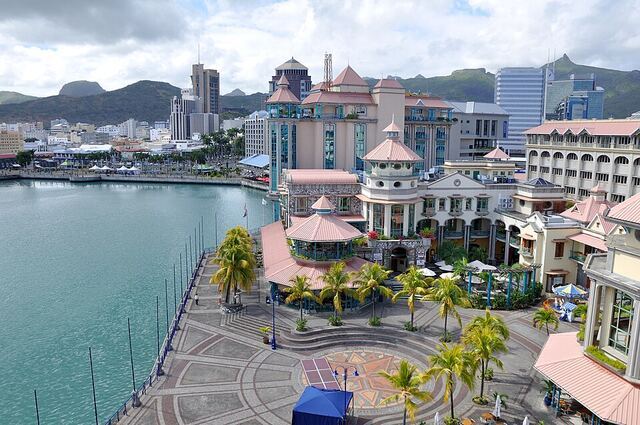
Port Louis's iconic waterfront with its hanging umbrellas, shops, craft market and harbourside restaurants. The ideal starting point for exploring the capital on foot.
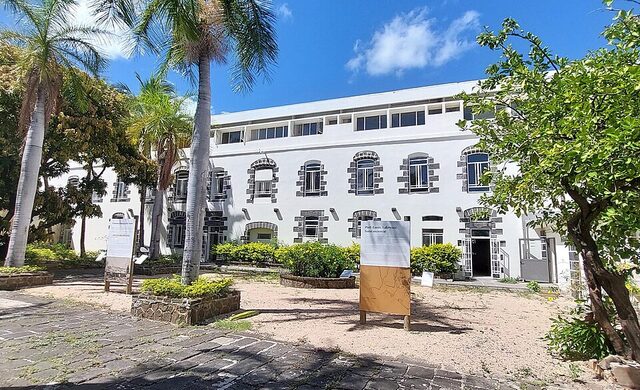
Opened in 2023 in the former military hospital of 1740 (the island's oldest building), this museum traces the history of slavery in Mauritius: enslaved people's personal effects, archives and the moving Froberville busts (1846).
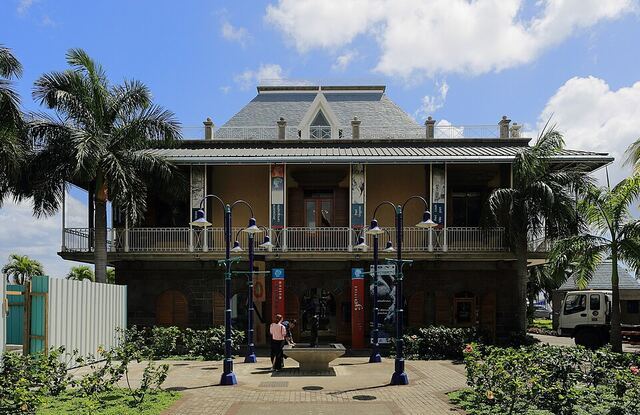
The Caudan museum holds the legendary red and blue 'Post Office' stamps of 1847, among the world's rarest, plus the original Paul and Virginie statue.
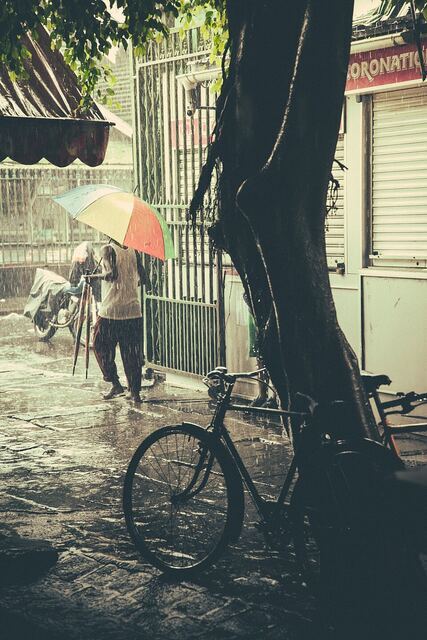
An institution since Victorian times, the central bazaar brims with tropical fruit, herbal teas, souvenirs and street food. This is where you feel the capital's pulse, between dholl puri stalls and hawkers.
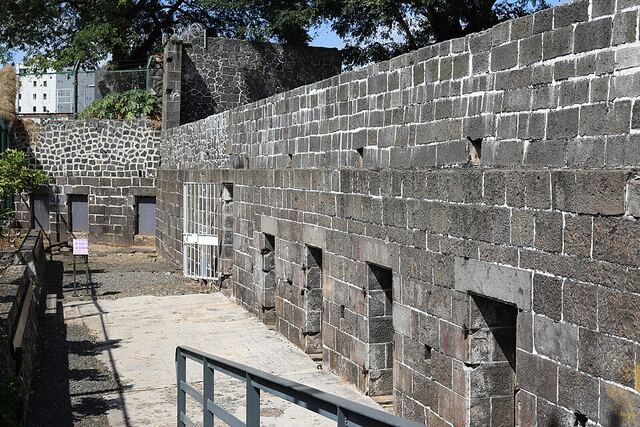
A UNESCO World Heritage site, this immigration depot processed half a million Indian indentured labourers between 1849 and 1923. A founding memorial of Mauritian identity.
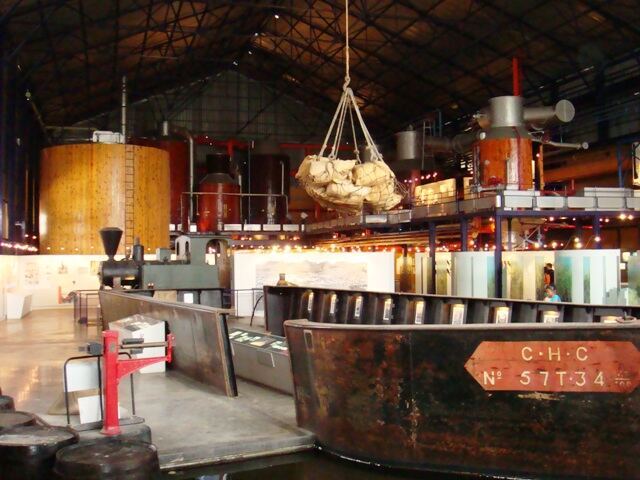
In the old Beau Plan sugar mill, this modern museum tells 250 years of Mauritian history through sugar cane, slavery and indenture. Special-sugar and rum tasting at the end.
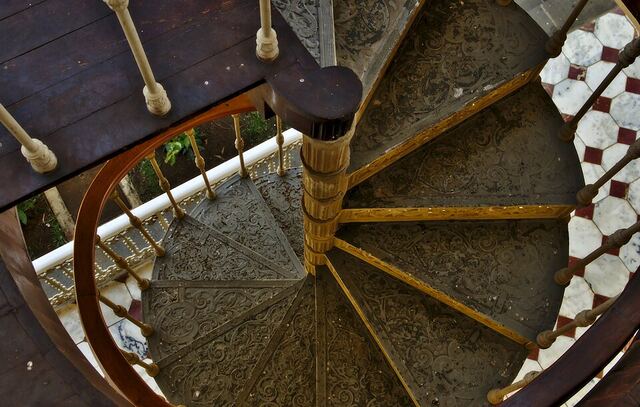
A superb 1859 colonial mansion restored with period furniture, surrounded by century-old orchards and a craft distillery. A dive into the lifestyle of the great sugar families.
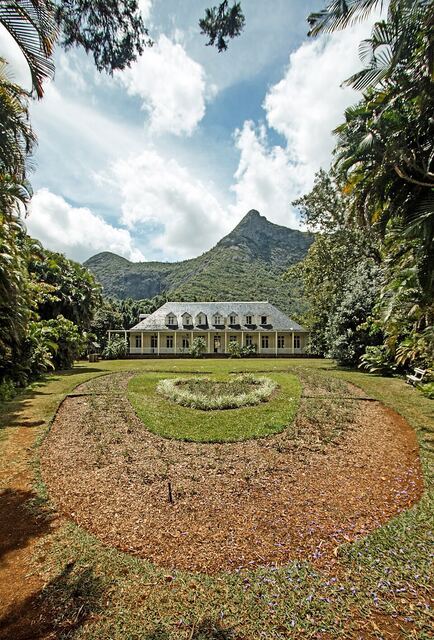
A sumptuous 1830s Creole mansion with 109 doors and windows, set at the foot of Ory mountain facing Pieter Both. Period furniture, verandas, tropical garden and the Moka river waterfalls.
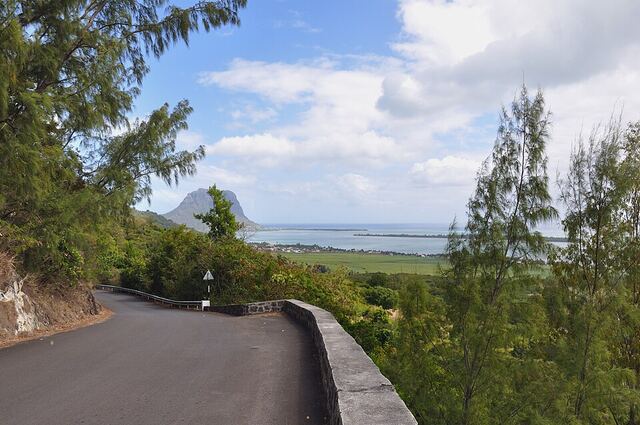
Discover Mauritius differently at Curious Mauritius, a fun and interactive park in the heart of Chamarel. Through 40+ games, challenges, immersive installations and surprising experiences, visitors can play, explore and discover different aspects of Mauritius in a completely original way. From Mauritian culture, nature and iconic elements of the island to interactive challenges, the Mirror Maze, Escape Room, Upside-Down House and much more, every part of the journey invites visitors to participate, discover and have fun. Designed for families, couples, friends and groups, Curious Mauritius offers a playful and engaging way to experience Mauritius beyond the traditional sightseeing experience.
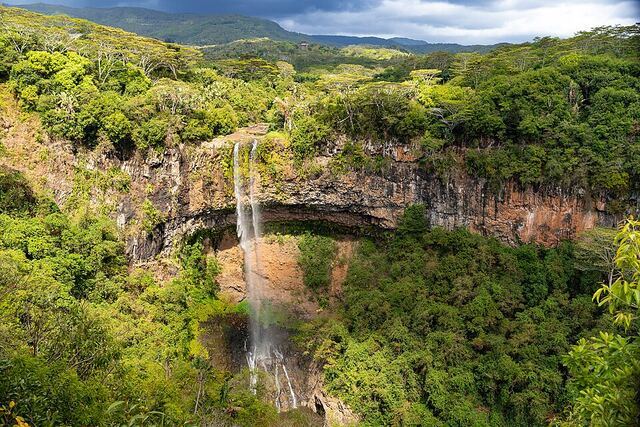
A craft distillery nestled among cane fields and mountains, producing agricole rum. Guided tour of the cellars and stills, followed by a full tasting.
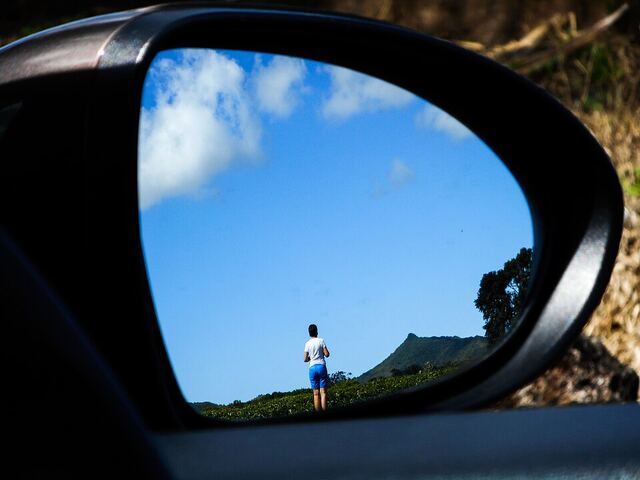
Mauritius's largest tea plantation: factory tour, tea museum and a tasting in a hilltop pavilion with an unbeatable view down to the sea.
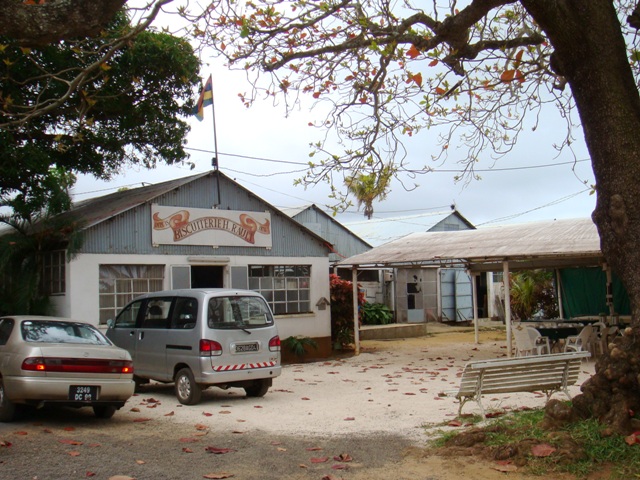
A cassava-biscuit factory founded in 1870 and listed as national heritage, on the edge of Mahébourg. The wafers are still shaped by hand and baked on plates fired with sugar-cane leaves — 15,000 biscuits a day, seven flavours, and gestures unchanged for a century and a half.
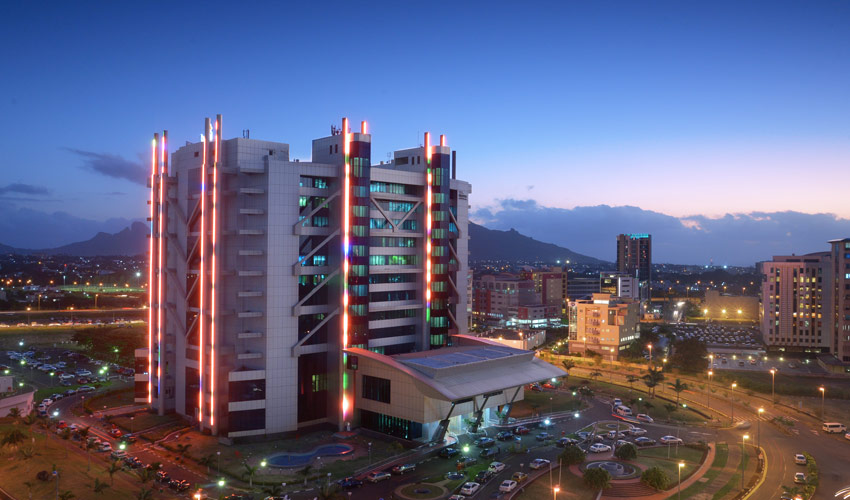
The island's biggest mall, in Moka: 150+ shops (international brands and local designers), food court, cinema and events. The go-to rainy-day outing and the duty-free shopping stop for travellers.

The North's main shopping mall, in the heart of Grand Baie: fashion galleria, restaurants, cinema and air-conditioned food court. The practical counterpart to the Grand Baie bazaar, and a welcome refuge when rain hits the northern beaches.
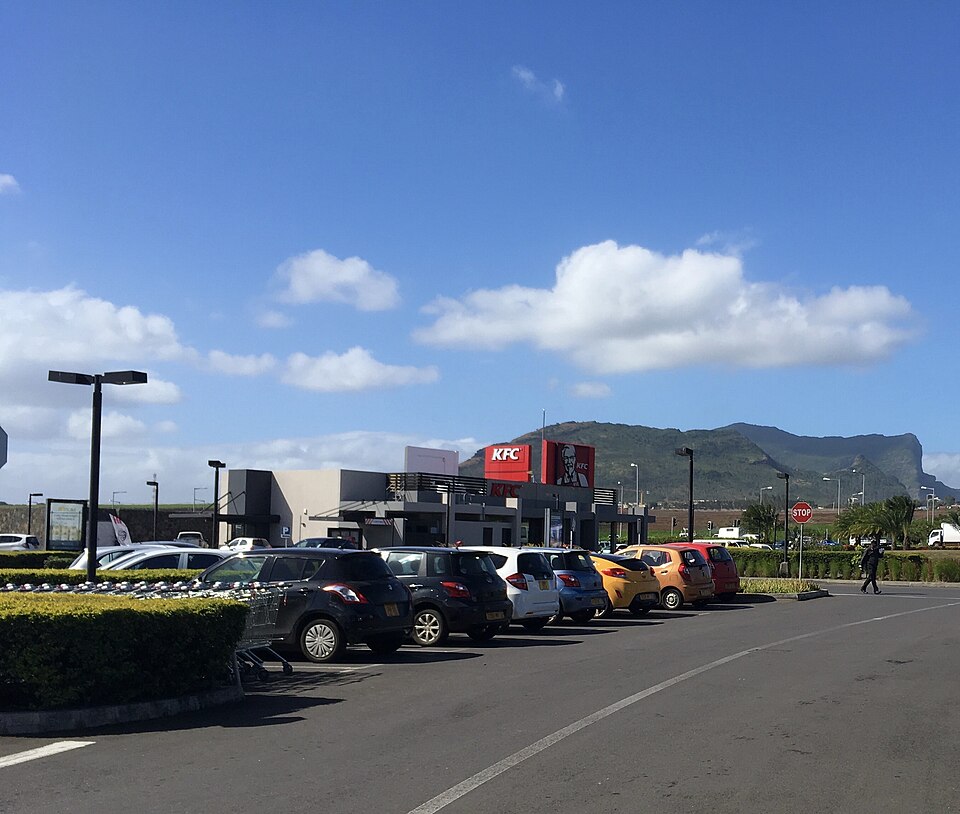
The west coast's open-air shopping village between Flic en Flac and Tamarin: shops, a supermarket and restaurants in an airy setting. The natural supply stop for holidaymakers staying out west.
Frequently asked questions
Where is the weather best in Mauritius when it rains?
On the west coast, from Flic en Flac to Le Morne: it is the driest region, with about 780 mm of rain a year at Médine against nearly 2,000 mm on the central plateau (1971-2000 normals).
What is the rainiest month in Mauritius?
February and March are the wettest months according to the Mauritius Meteorological Services, and October the driest. The southern summer, November to April, brings about two thirds of the annual rain.
What can you do in Port Louis when it rains?
Odysseo oceanarium, the Caudan Waterfront and Blue Penny Museum, the covered Central Market and the free Intercontinental Slavery Museum. It can all be done on foot in one day.
Does it rain all day in Mauritius?
Rarely: most rain falls as showers, and it seldom rains everywhere at once. Switching coasts is often enough to find the sun.
When is cyclone season in Mauritius?
From November to April. If a warning is issued, follow the Mauritius Meteorological Services (8996 from a landline, 171 from a mobile) and the authorities' instructions.