
Culture and history: museums, temples and heritage of Mauritius
UNESCO-listed Aapravasi Ghat, the Intercontinental Slavery Museum, Tamil temples, colonial mansions and Creole markets: the history of Mauritius can be read in its streets as much as on its beaches. An ideal selection for rainy days, or to give your trip real depth.
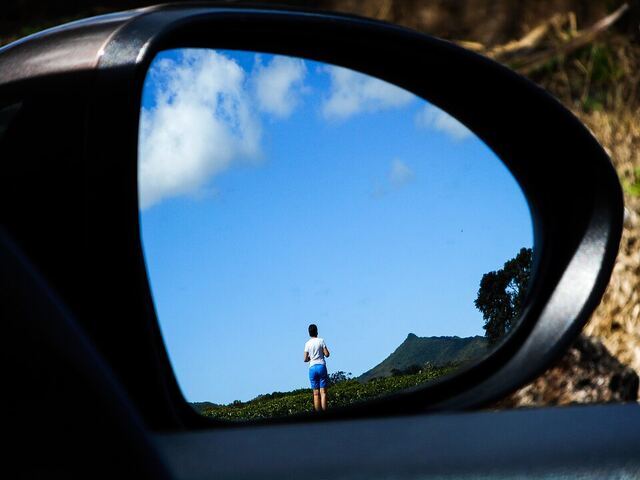
Domaine de Bois Chéri
Mauritius's largest tea plantation: factory tour, tea museum and a tasting in a hilltop pavilion with an unbeatable view down to the sea.
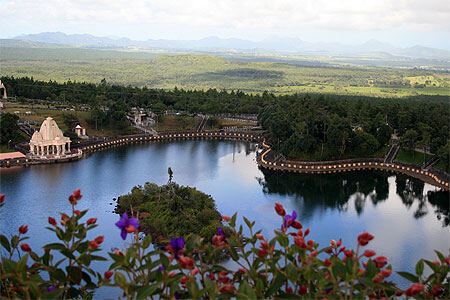
Ganga Talao Sacred Lake
The sacred crater lake of Mauritian Hindus, watched over by a 33-metre Shiva statue, one of the island's two tallest along with the nearby Durga Maa. Colourful temples, playful monkeys and highland mists create a uniquely mystical atmosphere.
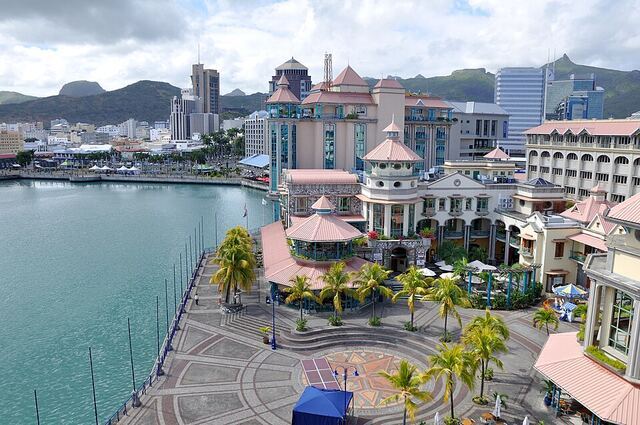
Caudan Waterfront
Port Louis's iconic waterfront with its hanging umbrellas, shops, craft market and harbourside restaurants. The ideal starting point for exploring the capital on foot.
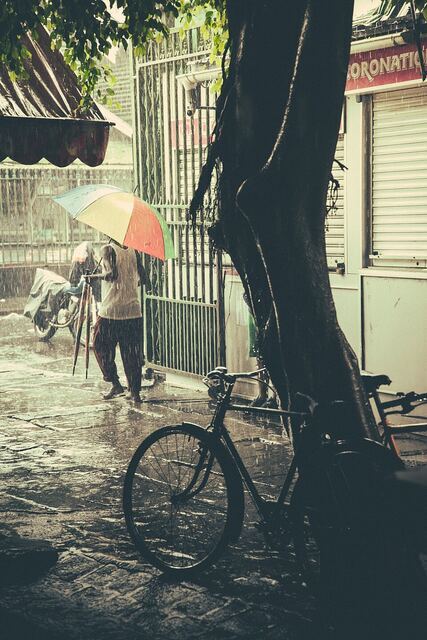
Port Louis Central Market
An institution since Victorian times, the central bazaar brims with tropical fruit, herbal teas, souvenirs and street food. This is where you feel the capital's pulse, between dholl puri stalls and hawkers.
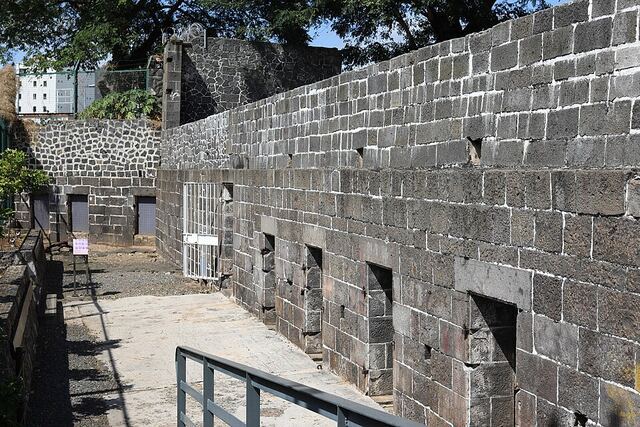
Aapravasi Ghat World Heritage Site
A UNESCO World Heritage site, this immigration depot processed half a million Indian indentured labourers between 1849 and 1923. A founding memorial of Mauritian identity.
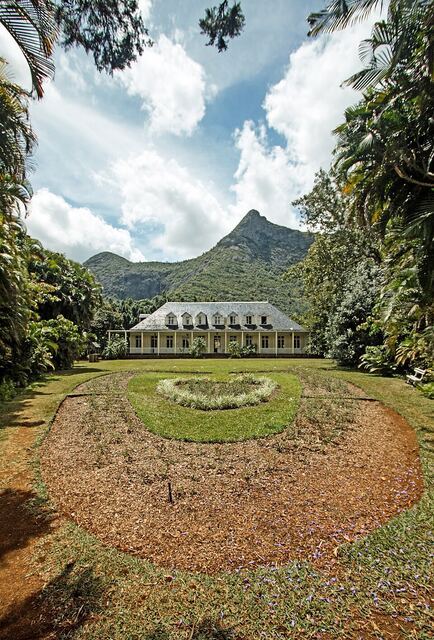
Eureka House
A sumptuous 1830s Creole mansion with 109 doors and windows, set at the foot of Ory mountain facing Pieter Both. Period furniture, verandas, tropical garden and the Moka river waterfalls.
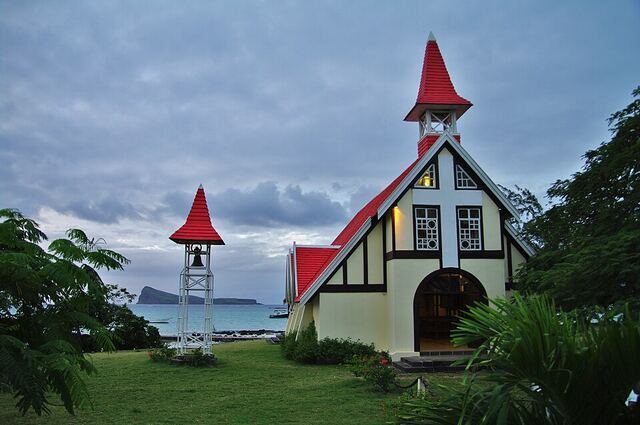
Cap Malheureux Red-Roofed Church
The famous red-roofed chapel facing the lagoon, with Coin de Mire as a backdrop: one of the most photographed views in Mauritius. The village marks the island's northernmost point.
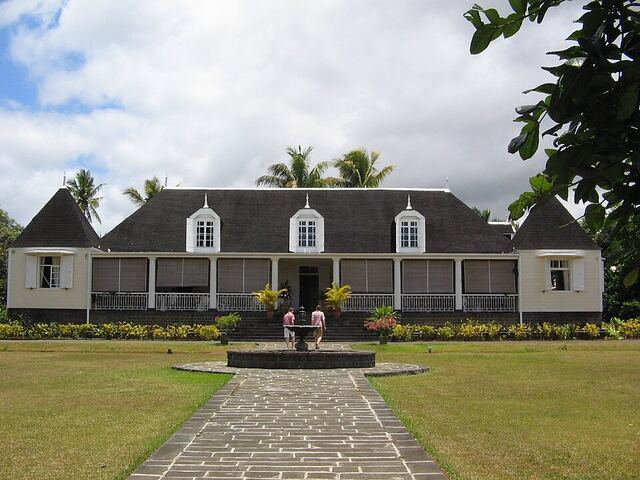
Saint Aubin Estate
A fine 1819 colonial house at the heart of a sugar estate, gourmet stop on the Tea Route: agricole rum distillery, vanilla plantation and spice garden, then a Creole lunch on the veranda.
Domaine des Aubineaux
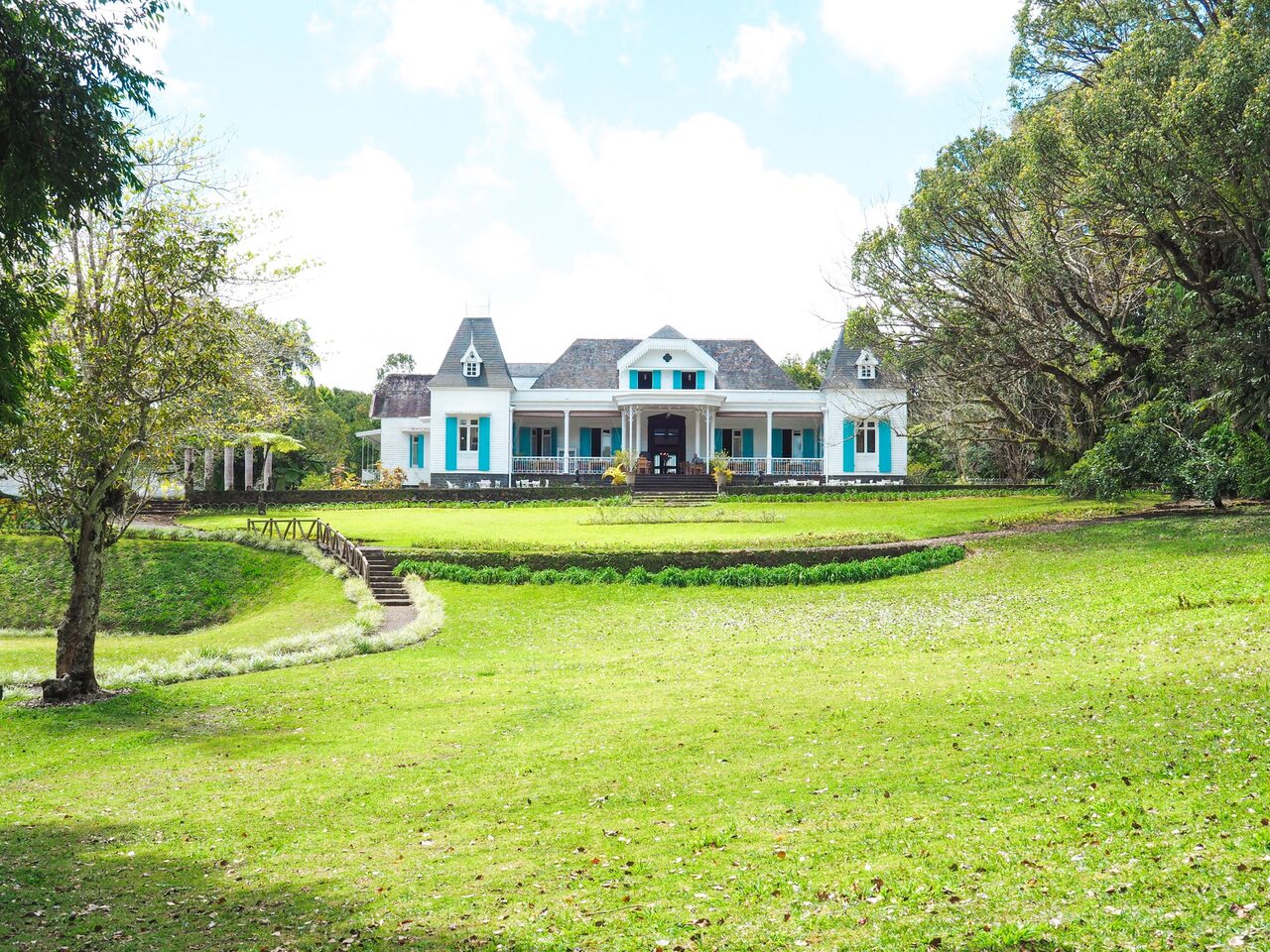
An 1872 colonial house at Forest Side (Curepipe), first stop on the Tea Route: museum, Maison des Essences and a flower park with camphor and endemic trees, then home-style Mauritian cooking on the veranda.
Vieux Grand Port
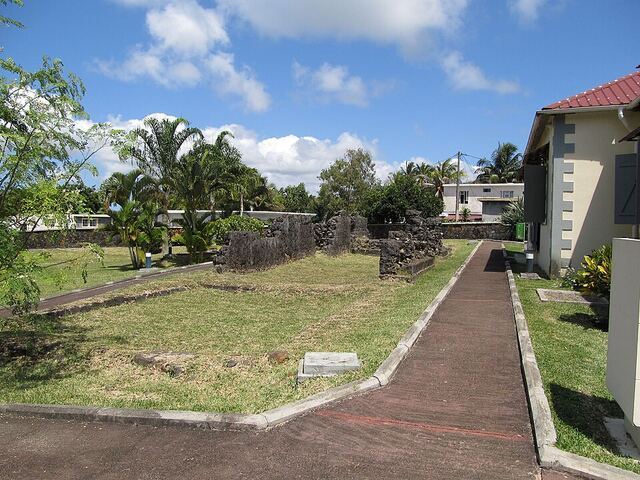
The cradle of Mauritian history: the Dutch landed here in 1598 and introduced sugar cane. The ruins of Fort Frederik Hendrik and its museum tell four centuries of history.
H. Rault Biscuit Factory
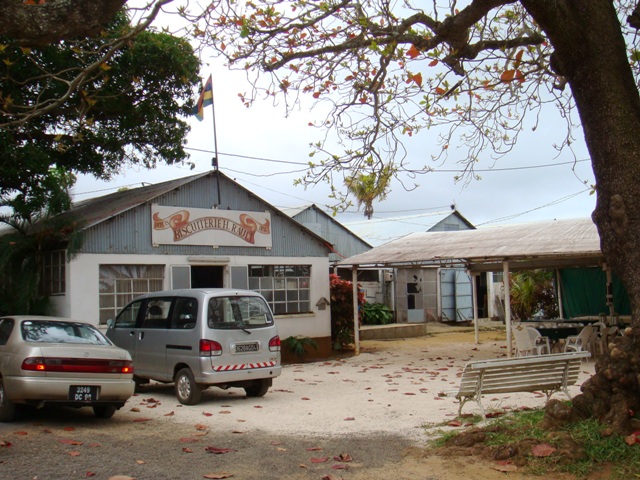
A cassava-biscuit factory founded in 1870 and listed as national heritage, on the edge of Mahébourg. The wafers are still shaped by hand and baked on plates fired with sugar-cane leaves — 15,000 biscuits a day, seven flavours, and gestures unchanged for a century and a half.
Flacq Market
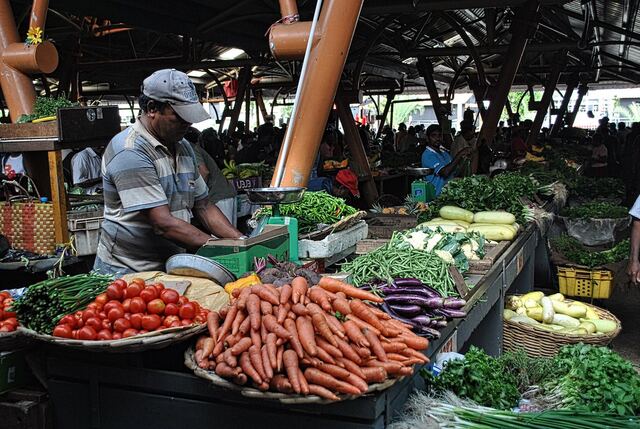
The island's largest open-air market, beating heart of the Mauritian east: mountains of vegetables, spices, textiles and Creole street food. Total immersion in local life.
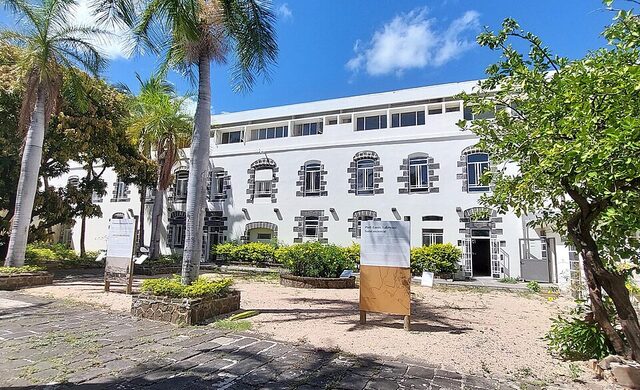
Intercontinental Slavery Museum
Opened in 2023 in the former military hospital of 1740 (the island's oldest building), this museum traces the history of slavery in Mauritius: enslaved people's personal effects, archives and the moving Froberville busts (1846).
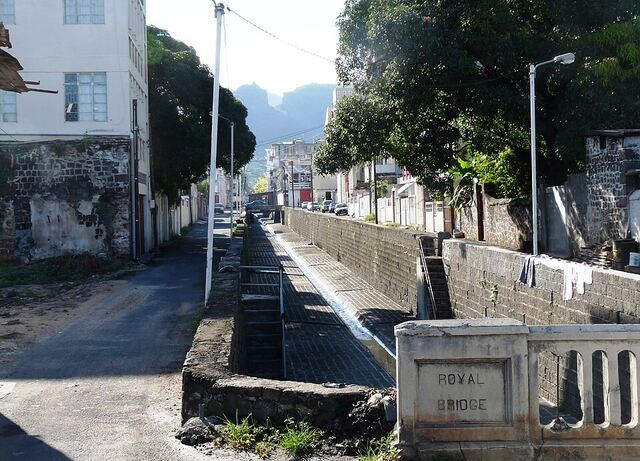
Port Louis Chinatown
Between its two friendship gates, Chinatown lines up pagodas, century-old shops, street art and eateries serving dumplings and fried noodles. Mauritian multiculturalism distilled into a few streets.
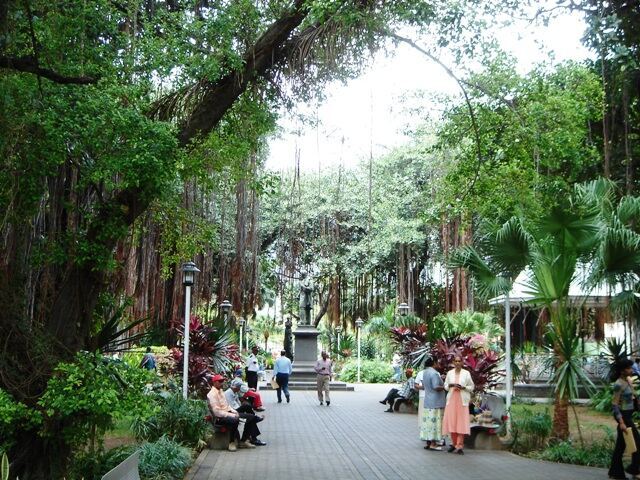
Company Gardens
The capital's historic green lung, planted with giant banyans and dotted with statues. The French East India Company's former vegetable garden, now Port Louis's shady breather.
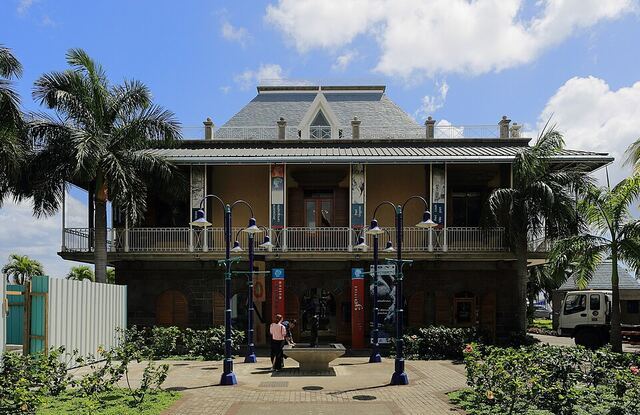
Blue Penny Museum
The Caudan museum holds the legendary red and blue 'Post Office' stamps of 1847, among the world's rarest, plus the original Paul and Virginie statue.
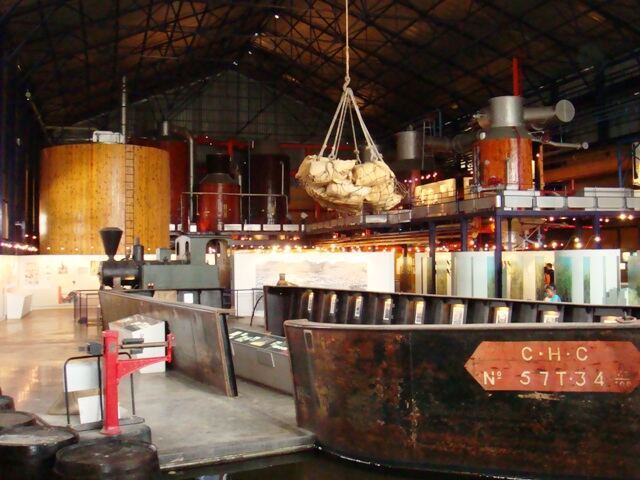
L'Aventure du Sucre Museum
In the old Beau Plan sugar mill, this modern museum tells 250 years of Mauritian history through sugar cane, slavery and indenture. Special-sugar and rum tasting at the end.
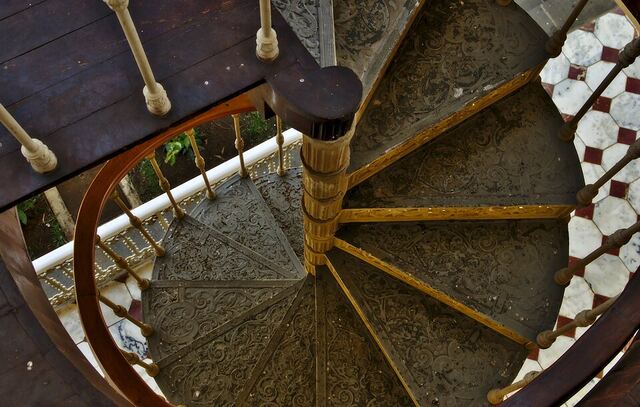
Château de Labourdonnais
A superb 1859 colonial mansion restored with period furniture, surrounded by century-old orchards and a craft distillery. A dive into the lifestyle of the great sugar families.
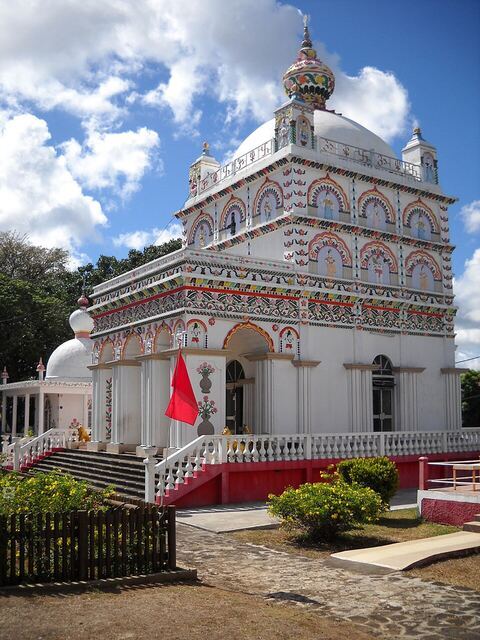
Maheswarnath Mandir, Triolet
The largest and one of the oldest Hindu temples in Mauritius (1888), dedicated to Shiva, in the heart of Triolet. Carved towers, colourful deities and a peaceful air: a fine Indo-Mauritian immersion.
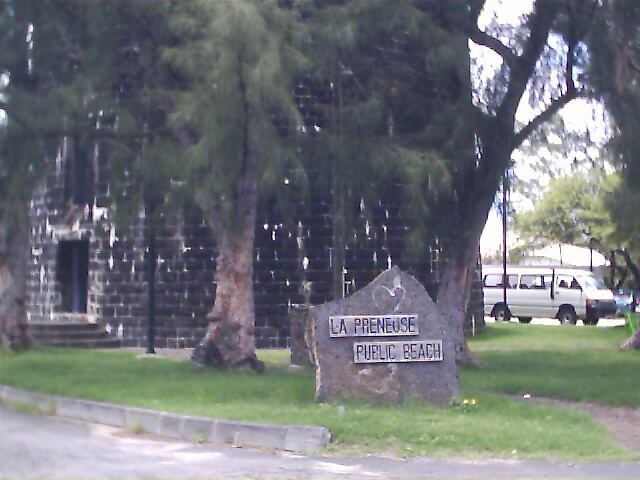
Martello Tower, La Preneuse
A remarkably preserved 1834 British defence tower, now a small museum on the abolition of slavery and Indian Ocean piracy. A short but fascinating guided visit.
Chamarel Rum Distillery
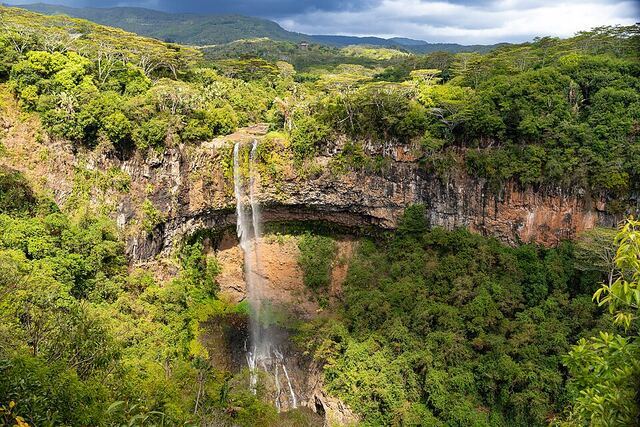
A craft distillery nestled among cane fields and mountains, producing agricole rum. Guided tour of the cellars and stills, followed by a full tasting.
Tamarin Salt Pans
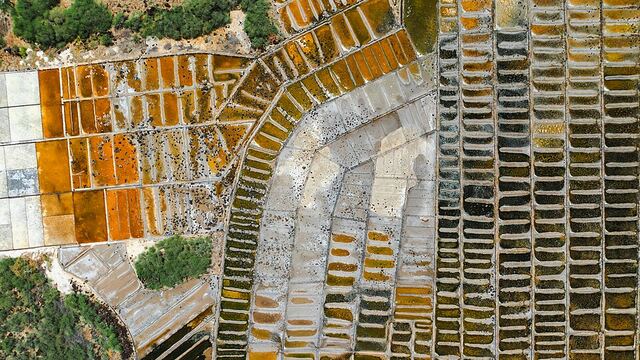
A checkerboard of pink and white pans where sea salt is still harvested by hand, as it has been since the 19th century. With Rempart mountain behind, one of the west coast's most singular landscapes.