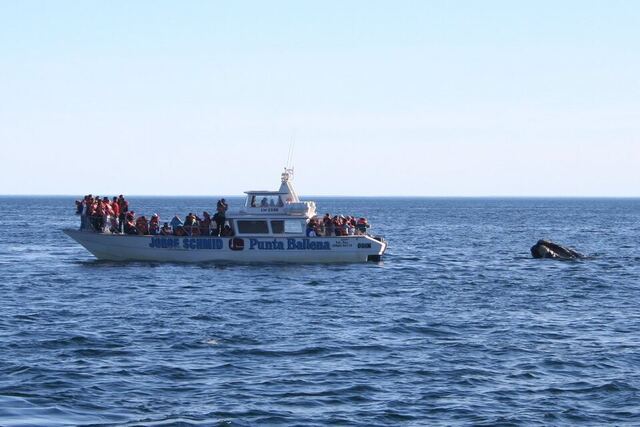
Whale Watching
An open-sea trip beyond the reef from Tamarin: migrating humpbacks July-October, resident sperm whales visible year-round thanks to the west coast's deep drop-off.
Tip: Often choppy offshore: eat a light breakfast. Swimming with sperm whales is strictly regulated.
Two species, two calendars
Humpback whales leave Antarctica in the southern winter to breed and calve in tropical waters. They pass Mauritius roughly from June or July to October, peaking in August and September, when mothers with calves are most often seen.
Sperm whales are present all year off the west coast, where the seabed drops very steeply to great depths. Family groups live there more or less permanently, making Mauritius one of the few places to see them in any season.
What a trip is like
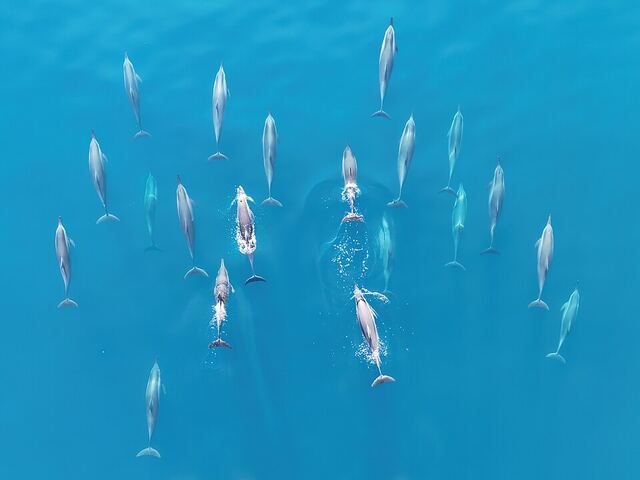
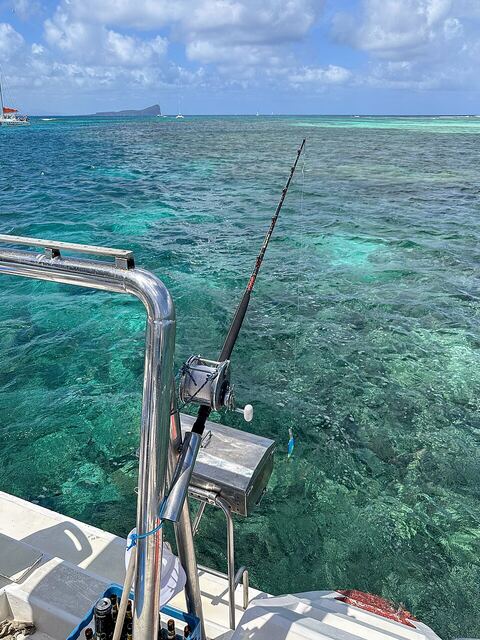
Boats leave early from Black River and Tamarin Bay on the west coast; commercial whale watching is in fact only permitted between 6am and noon. Trips usually last three to five hours and are often combined with Tamarin Bay's dolphins.
Some operators use a hydrophone to listen for sperm whale clicks and locate the animals. Nothing is guaranteed with wild animals, and the sea beyond the reef is often rough.
What the law says
The Tourism Authority (Dolphin and Whale Watching) Regulations 2012 set the rules: no boat within 100 m of a whale (prohibited zone); between 100 and 200 m, no-wake speed and no sudden changes of speed or course. Boats approach from the side on a parallel course, never head-on or from behind, and must not circle the animals or drive through a pod.
It is illegal to swim, dive or snorkel with a whale, to feed or touch it, or to make noise to attract it. The Fisheries Act 2023 also bans harassing marine mammals, and enforcement has stepped up since 2024. If a skipper offers to put you in the water with sperm whales, say no: it is illegal and risky for you and the whales.
Prices and choosing an operator
Prices vary widely. Black River operators charge around Rs 20,000 to Rs 22,000 for a private whale-watching boat, while seats on shared trips cost far less per person (checked October 2026). Compare duration, boat size and what is included.
Pick an operator licensed by the Tourism Authority (a label must be displayed on the boat) that briefs you on the rules on board, as the law requires.
Tips and what to combine it with
Eat a light breakfast, take seasickness tablets if you need them, and bring sunscreen, a hat and a windbreaker. With young children, choose a larger boat and a calm-sea forecast.
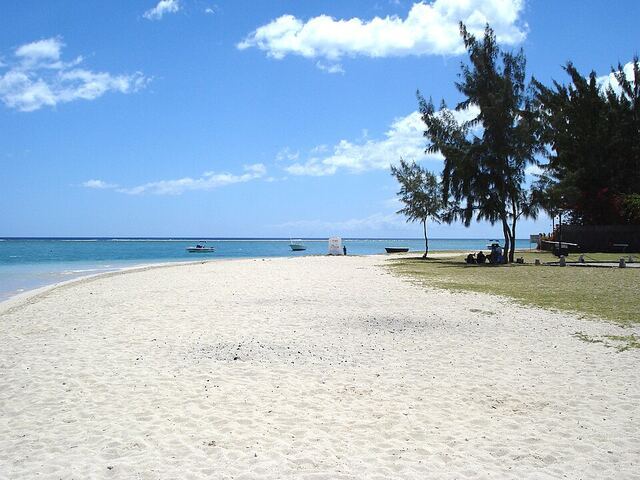
Back on land, relax on Tamarin or La Preneuse beach, then head up to Black River Gorges or Chamarel in the afternoon.
Frequently asked questions
When is whale season in Mauritius?
Humpbacks pass roughly from June or July to October, peaking in August and September. Sperm whales can be seen year-round off the west coast.
Can you swim with whales in Mauritius?
No. The law prohibits swimming, diving or snorkelling with whales, and boats must stay more than 100 m away.
Where do whale watching trips leave from?
Mainly Black River and Tamarin Bay on the west coast, early in the morning. Commercial trips are allowed from 6am to noon.
How much does whale watching cost in Mauritius?
Around Rs 20,000 to Rs 22,000 for a private boat with Black River operators; a seat on a shared trip costs much less per person.