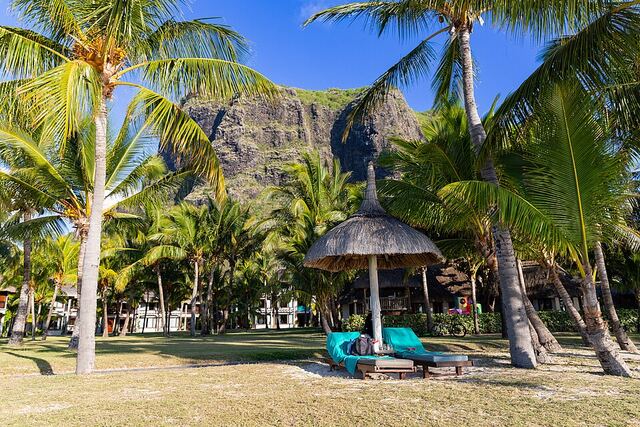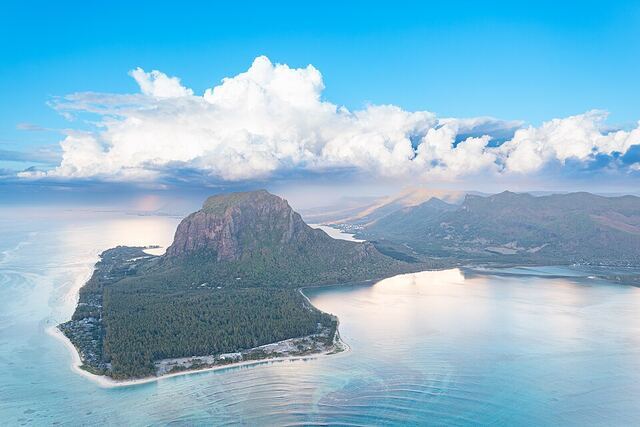
Le Morne Brabant Mountain
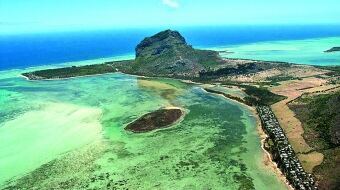
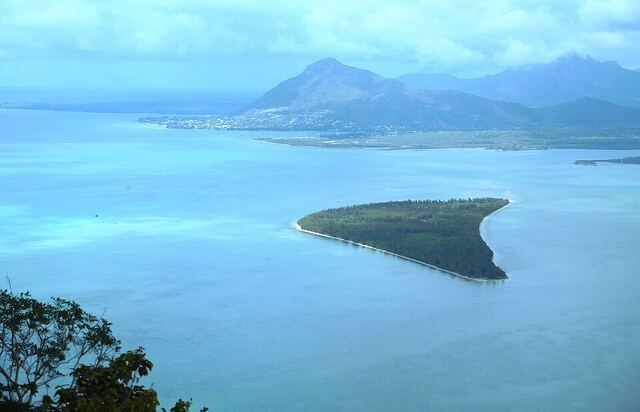
A 556 m basalt monolith and UNESCO World Heritage site, refuge of the maroon slaves whose symbol it became. The climb (3-4h return) rewards you with dizzying views over Mauritius's most photogenic lagoons.
Tip: Trail open 7am-4pm (last start 2:30pm), waiver signed at the start. The final section up to the cross has been closed since late August 2026 (rockfall): check reopening with the Le Morne Heritage Trust Fund. Hiking shoes required.
A mountain of maroon memory
Le Morne Brabant is a 556 m basalt monolith at the south-west tip of Mauritius, listed by UNESCO in 2008 as the Le Morne Cultural Landscape. Through the 18th and early 19th centuries, runaway slaves, known as maroons, sheltered here, forming small settlements in caves and on the summit behind cliffs that were almost impossible to reach.
Oral tradition tells that after slavery was abolished on 1 February 1835, men sent to announce freedom were mistaken for a capture party, and some maroons chose to jump to their deaths. UNESCO describes the mountain as a symbol of the slaves' fight for freedom, resonating in mainland Africa, Madagascar, India and South-east Asia. Abolition is commemorated every 1 February at the Slave Route Monument at the foot of the mountain.
The trail, in two sections
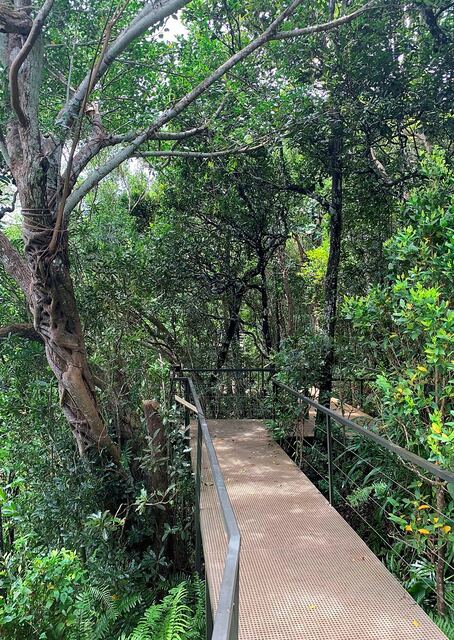
The official trail, managed by the Le Morne Heritage Trust Fund, starts from the trailhead at the base. Section 1 runs 2.53 km to the second plateau at 260 m: Grade 1, easy but slippery when wet, with drops near the cliff edge.
Section 2 (760 m, Grade 3) climbs a gully to the metal cross at 492 m, with rocky scrambles, rockfall risk and strong wind. A liability form is mandatory, a qualified guide is recommended and it is not advised for under-13s. The trail ends at the cross: do not climb beyond it.
Hours, access and current trail status
The trail is open daily, public holidays included, from 7am to 4pm, with the last start uphill at 2.30pm (checked October 2026). It closes for heavy rain warnings, from cyclone warning class II and after landslides or rockfalls.
In late August 2026 the trail closed temporarily; Section 1 has since reopened, but as of early October 2026 Section 2 remained shut because of rockfall danger, with no reopening date announced. Check with the Le Morne Heritage Trust Fund before you go. By car, allow about 1 hour 15 from Port Louis and 40 minutes from Flic en Flac.
Hiking tips
Start early: the climb is exposed and you must be back down before the gate shuts at 4pm. Sign the visitor book at the trailhead and log your exit time. Proper shoes, water and a hat are essential.
Stay on the marked trail, never throw stones and leave the plants alone, as the mountain shelters rare endemic species. The cross is a memorial to the maroons, so do not climb on it for photos.
Combine with
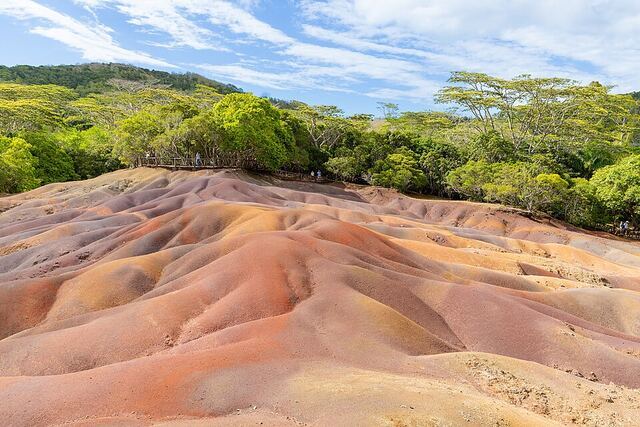
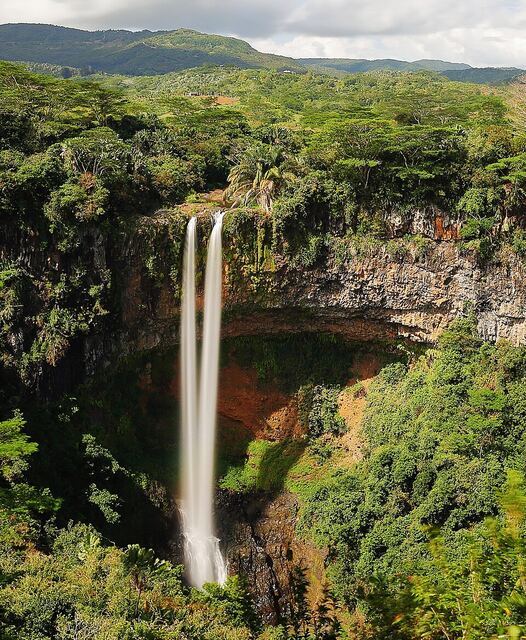
After the hike, Le Morne Public Beach is right next door for a swim, and the Slave Route Monument stands at the foot of the mountain. Up in the hills, Chamarel and its Seven Coloured Earth are roughly half an hour's drive away.
Frequently asked questions
Is there a fee to hike Le Morne Brabant?
No, the official trail is free to access. You only pay for a guide if you choose to hire one.
Do you need a guide to hike Le Morne Brabant?
Section 1 can be hiked on your own. Section 2 to the cross requires a liability form and a qualified guide is recommended; in early October 2026 it was closed because of rockfall risk.
What time does the Le Morne trail open?
Daily from 7am to 4pm, with the last start at 2.30pm. It closes for heavy rain, cyclone warning class II or rockfalls.
Why is Le Morne Brabant a UNESCO World Heritage Site?
Listed in 2008, it bears witness to marronage: the mountain sheltered escaped slaves and became a symbol of their fight for freedom.